Carole Radziwill returns to The Real Housewives of New York City Season 16 as a "Friend"
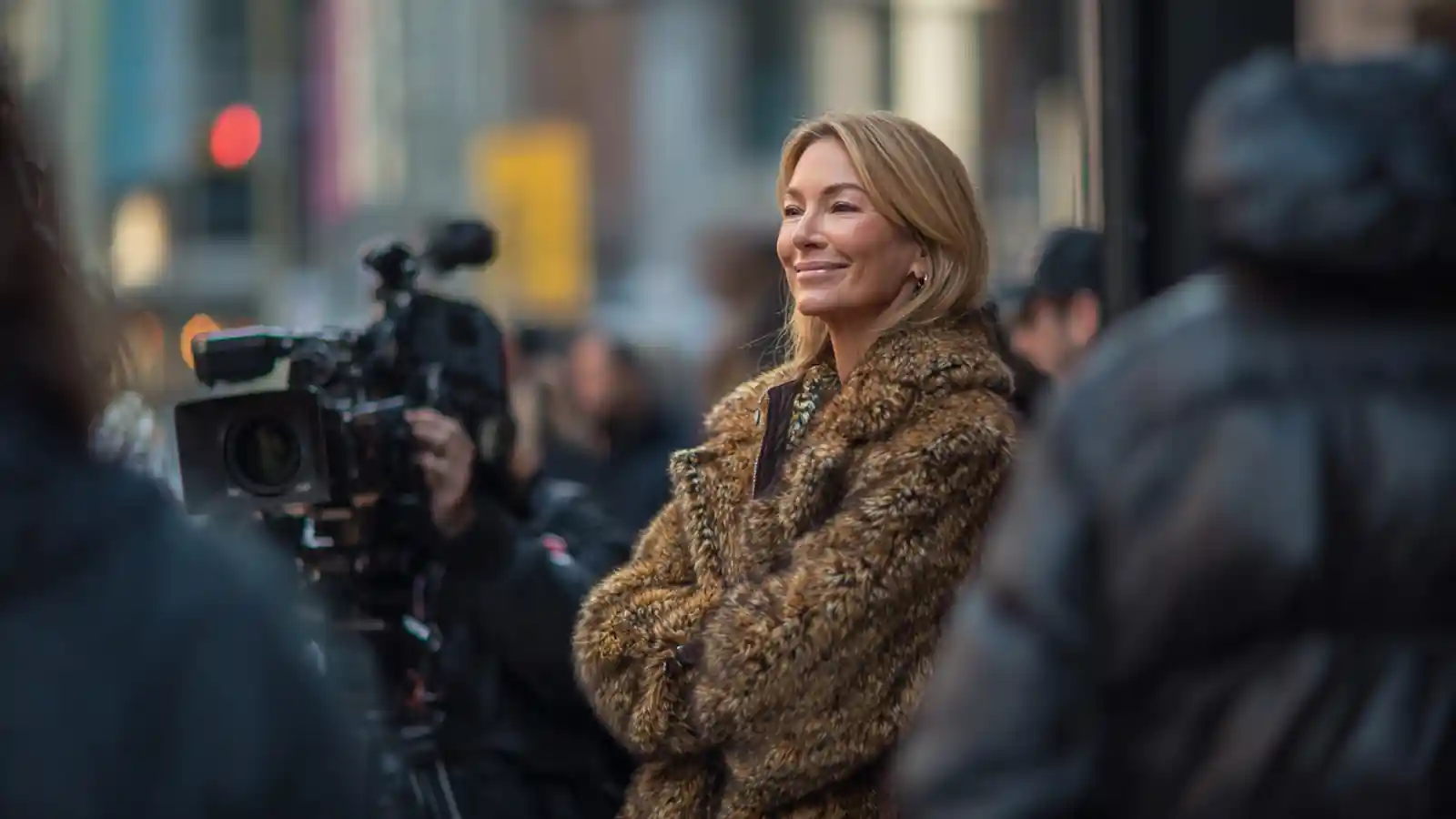
Carole Radziwill’s return to The Real Housewives of New York City for Season 16 has drawn renewed attention from fans of the long-running reality franchise. Confirmed to appear as a “friend” rather than a full-time cast member, her participation connects the show’s earlier era with its current rebooted form. Filming reportedly began in March 2026 in New York City, marking a significant moment for both nostalgic viewers and new audiences following the program’s updated ensemble and narrative direction.
Return announcement overview
Carole Radziwill is officially set to rejoin The Real Housewives of New York City in its sixteenth season, taking part in a limited capacity as a recurring “friend.” This designation indicates that she will appear in group scenes and key social events but will not be featured as a central storyline holder. Production for this season began in March 2026, centered in New York City, where the series traditionally films its cast’s urban and social interactions. The return was confirmed through entertainment media outlets, which noted her inclusion as part of the show’s evolving cast dynamics. The move aligns with Bravo’s approach of occasionally reintroducing familiar figures to engage long-term fans while maintaining a refreshed ensemble. This particular season continues to highlight the balance between continuity and reinvention that has characterized the franchise’s modern phase.
Past participation background
Radziwill originally joined the series in Season 5 and remained through Season 10, becoming known for her composed demeanor and career background as a journalist and author. Her on-screen persona often contrasted with the more confrontational styles of other cast members, contributing to a varied group dynamic. During her earlier tenure, she was involved in several memorable discussions and disagreements, including those with Bethenny Frankel and Ramona Singer, which became frequent topics of online commentary. Viewers often described her as analytical and reflective, traits that distinguished her from the show’s more outspoken personalities. Her departure after Season 10 marked the end of an era for the middle period of the franchise, which at the time was shifting its focus toward faster-paced storylines and new interpersonal connections among its ensemble. Her return therefore carries a sense of revisiting a familiar tone within the show’s broader evolution.
Current show structure and reboot
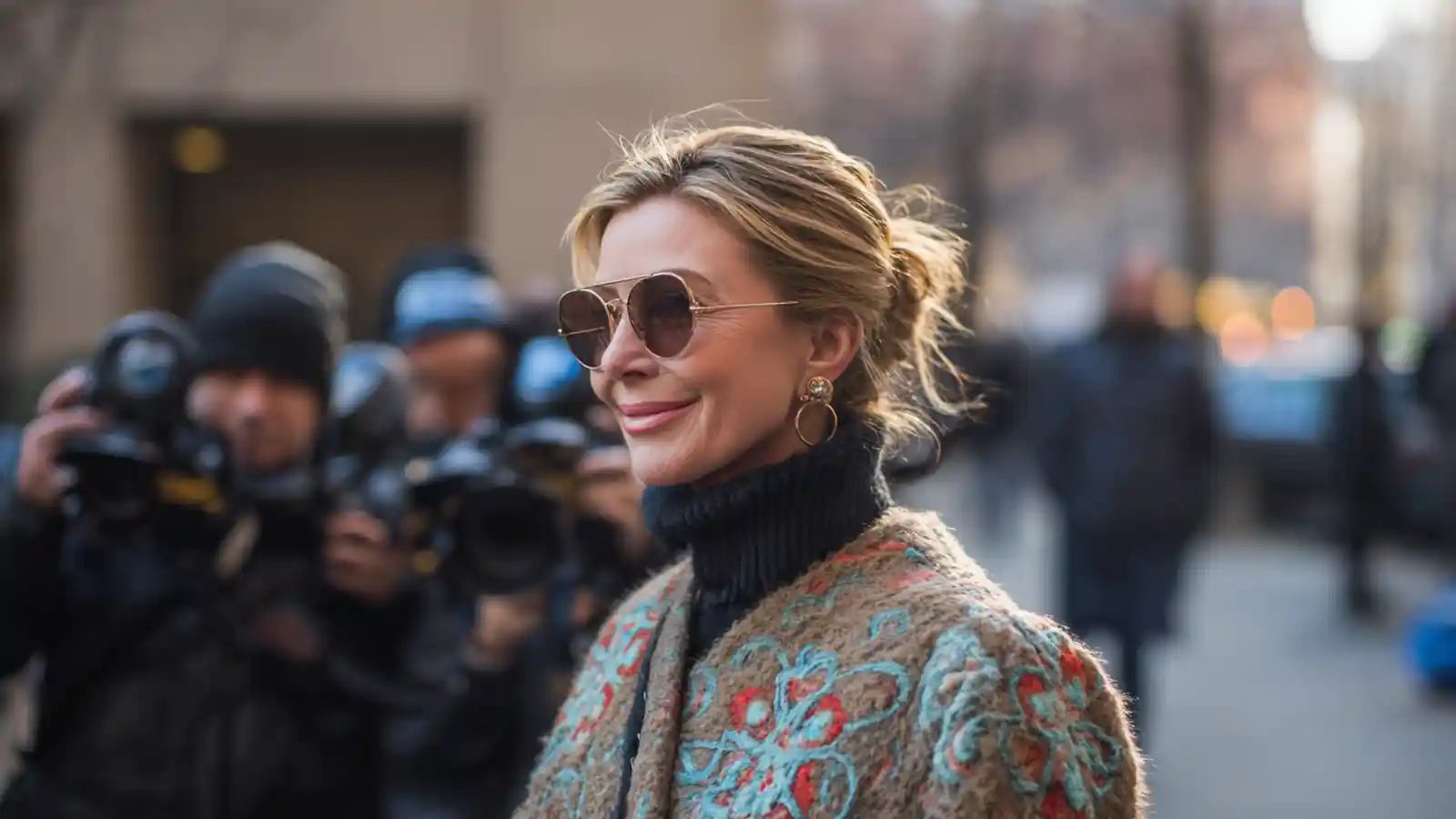
Following a full reboot of The Real Housewives of New York City, the production team introduced an entirely new cast to redefine the brand’s direction. The revamped version, launched with a smaller core group, sought to modernize the series’ tone and appeal to a broader demographic. Season 16 continues under this format, maintaining a compact main cast that includes Erin Lichy, Sai De Silva, and Jessel Taank. These members represent the central narrative threads of the reboot period, emphasizing lifestyle, work, and friendship themes within New York’s social landscape. Radziwill’s return as a part-time participant bridges the gap between the legacy audience and the new format, offering an intergenerational dynamic within the cast composition. The show’s producers appear to be exploring ways to integrate her presence without disrupting the established balance of the current ensemble, signaling a strategic approach to continuity within the evolving reality television model.
Fan and social media reactions
Public response to the announcement has been mixed yet heavily discussed across social platforms. Some long-time fans expressed enthusiasm about seeing a familiar face return, suggesting that her presence could restore a sense of authenticity and continuity. Others, particularly newer viewers accustomed to the reboot cast, voiced curiosity about how she will interact with the current members. Online forums and fan pages have highlighted conversations comparing her earlier seasons with the show’s present tone. The contrast between nostalgia and anticipation for new dynamics has been a recurring theme in online discourse. While some users view her limited participation as a symbolic nod to the franchise’s history, others interpret it as a potential test for future integration of former cast members. Overall, the digital conversation reflects both excitement and cautious observation, typical of major casting updates within established reality series.
Cultural and media significance
Radziwill’s reappearance illustrates a common pattern in reality television: the cyclical return of recognizable personalities to sustain audience engagement. The “friend” designation, frequently used across Bravo franchises, allows for flexible involvement without the full narrative commitment of a main role. Media coverage has emphasized this adaptability, noting that it enables producers to gauge audience response while maintaining creative control over storylines. From a cultural standpoint, her participation underscores the enduring appeal of continuity in long-running unscripted series. It also reflects a broader media strategy of blending legacy recognition with contemporary storytelling. Journalists covering entertainment trends have pointed out that such reintroductions serve as both nostalgia triggers and marketing tools, reinforcing franchise identity while testing viewer loyalty. The attention around her return demonstrates how legacy cast members continue to shape the perception and longevity of established reality brands.
Future outlook
Looking ahead, industry observers are watching to see how The Real Housewives of New York City balances its historical narrative threads with the ongoing reboot storyline. Radziwill’s involvement may influence audience sentiment and potentially inform future casting decisions, depending on reception metrics and fan engagement. Her interactions with the new cast could also set a precedent for how veteran participants are incorporated into updated formats. If positively received, this model might inspire similar reintroductions across other reality franchises. Conversely, producers may choose to maintain her role as a short-term presence designed to bridge eras. Either way, the development represents a notable example of adaptive programming within a competitive television landscape. For more discussions on media and internet culture surrounding reality TV and memes, readers may refer to MemesBar, which documents online reactions and cultural interpretations of popular entertainment phenomena.