Avalanche Trapped Skier for 4 Hours Saved by iPhone Location
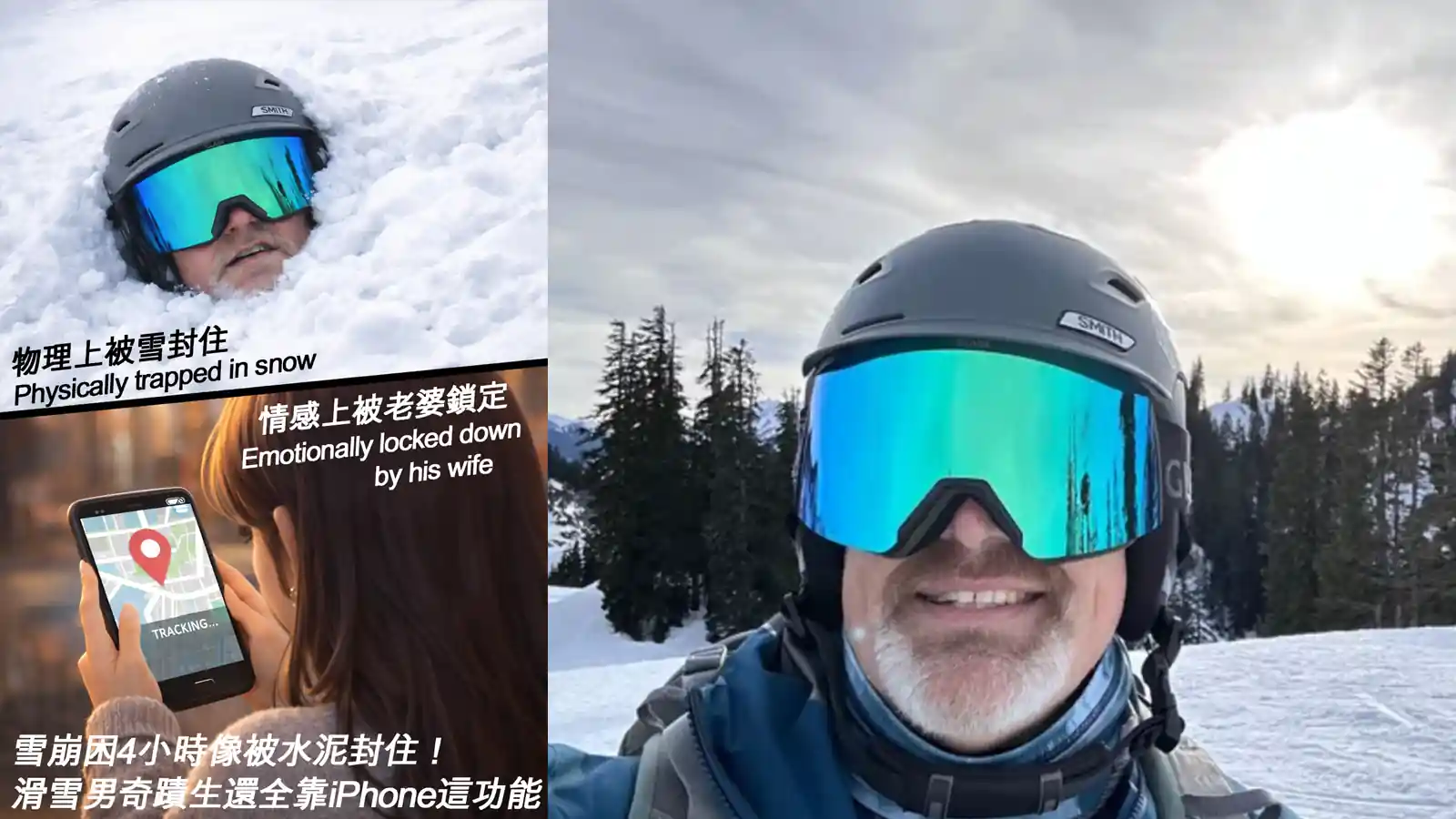
The meme known as “Avalanche Miracle Man” originated from a real event in Washington State, where a skier named Michael Harris was trapped under snow for four hours and survived thanks to iPhone location sharing. The dramatic story quickly spread online, inspiring memes about technology, fate, and survival. Internet users turned the headline into humorous and reflective content, highlighting the intersection between modern technology and life-threatening natural forces. The meme’s tone blends awe, irony, and gratitude across global social media discussions.
Origin of the Meme
The meme traces back to the February 26, 2024 avalanche at Stevens Pass, Washington, where skier Michael Harris was buried under snow for four hours before being rescued. His wife used the Find My feature on an iPhone to locate him, leading to widespread media coverage. Headlines such as “Trapped 4 hours in avalanche, saved by iPhone location” circulated rapidly across news sites and social media. Internet users humorously captioned these headlines with phrases like “Technology saves lives” and “Find My miracle assist,” turning the news into a viral meme that combined tension and relief.
The story’s emotional intensity and the clear role of technology made it a compelling subject for meme creation. It merged human vulnerability with digital dependence, providing a narrative ripe for reinterpretation in online humor.
Online Spread and Platform Context
After the incident, the meme first gained traction on Reddit, Twitter (X), and Facebook. Users shared screenshots of the news article, often adding witty captions or contrasting imagery. In Mandarin-speaking online spaces, especially in Taiwan, the meme evolved through reposted news screenshots paired with exaggerated commentary and ironic hashtags.
- Reddit threads framed the story as a “modern miracle.”
- Twitter users focused on the contrast between human helplessness and technological precision.
- Facebook pages localized the meme using humor about daily phone use and GPS reliability.
Across platforms, the meme’s tone fluctuated between admiration for technology and gentle mockery of human reliance on devices. The spread was organic, driven by user commentary and remixing rather than coordinated campaigns.
Common Formats
The meme appears in several visual and textual variations:
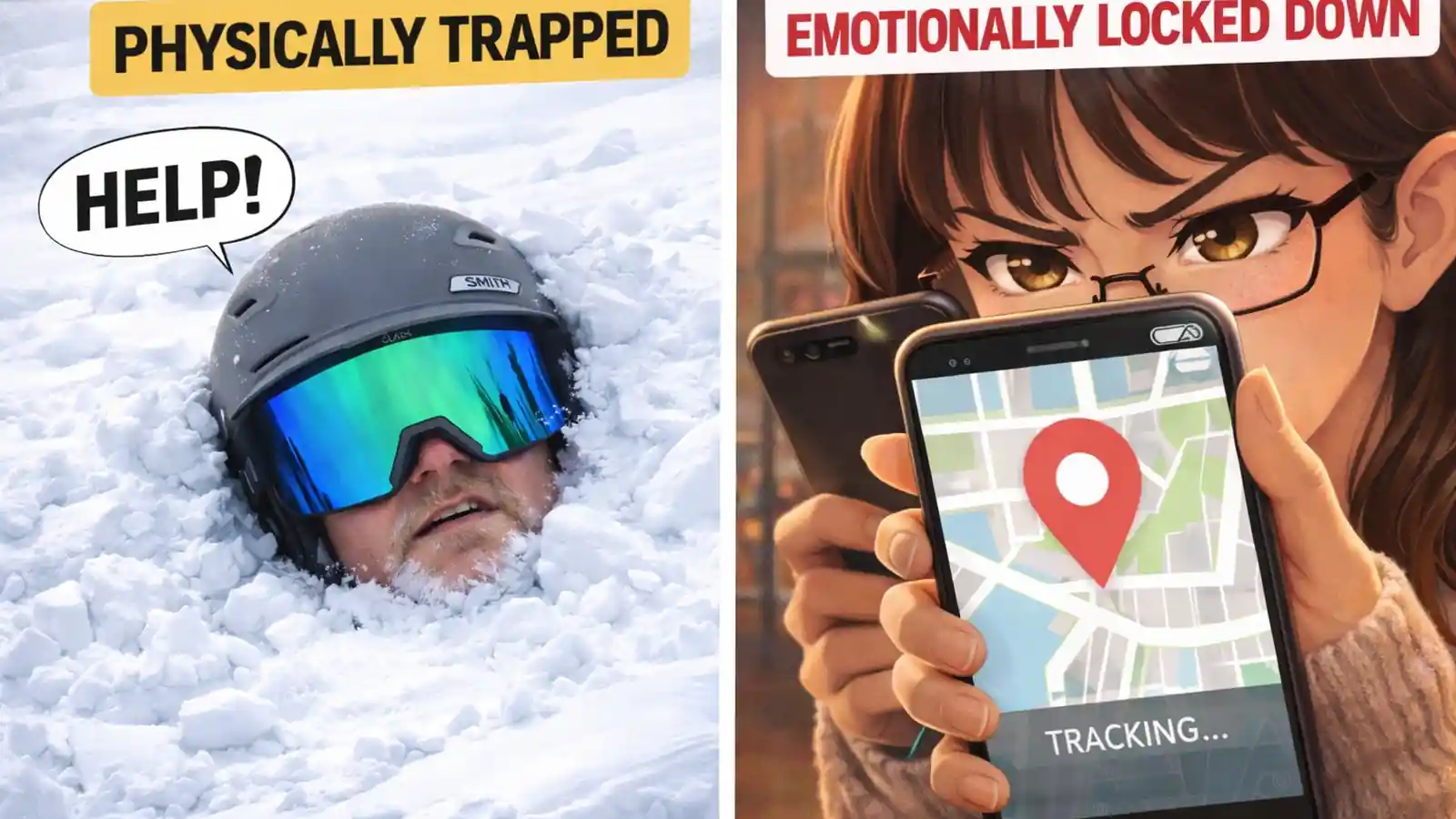
- Image-based memes featuring screenshots of news headlines with humorous overlays or reaction emojis.
- Text-based memes quoting the phrase “trapped for 4 hours like sealed in cement” to describe extreme or awkward situations unrelated to avalanches.
- Animated versions that combine avalanche footage, snow effects, and a floating iPhone location icon to dramatize the rescue.
These formats often emphasize the surreal contrast between nature’s uncontrollable power and the precision of digital tracking. The meme’s adaptability allows it to be used in contexts far beyond the original event, from jokes about losing Wi-Fi signals to commentary on technological dependence.
Cultural Context and Symbolism
Within broader cultural discussions, the meme symbolizes the deep interconnection between humans and technology. Many observers interpret it as a modern miracle, where survival depends not only on luck but also on digital infrastructure. Others view it as a reflection of “technological faith,” in which people place trust in devices to overcome natural or existential threats.
The meme is also referenced in conversations about disaster response, connectivity, and the boundaries between control and chaos. It resonates particularly in societies where smartphones are integral to safety and communication. The ironic undertone—celebrating a rescue while questioning overreliance—adds complexity to its interpretation.
Community Reactions and Tone
Community responses to the “Avalanche Miracle Man” meme vary from humorous to contemplative. Most users express astonishment or gratitude, using the meme to highlight how digital tools can have life-saving roles. The tone remains largely positive, mixing awe with playful exaggeration.
However, some online discussions raise concerns about privacy and surveillance, questioning whether constant location sharing is a fair trade for safety. Despite these debates, the prevailing sentiment frames the meme as an extraordinary yet relatable story. The dramatic narrative structure—danger, suspense, rescue—makes it easy for audiences to remix the content into diverse emotional registers, from comedy to reflection.
Extensions and Variants
Following its initial popularity, the meme evolved into a broader “Find My saves lives” series, applied to fictional or humorous scenarios such as lost pets or misplaced gadgets. It also joined the wider category of “miraculous survival” memes, which highlight improbable rescues or coincidences involving technology. The “Avalanche Miracle Man” remains a symbolic example of how everyday digital tools can become cultural metaphors for fate and resilience.
Although its viral momentum has slowed, the meme continues to appear in online compilations and discussions about technology’s role in modern survival stories. For further documentation on related meme phenomena, see MemesBar.