WBC Taiwan Captain Chen Chieh-hsien Fractures Finger After Hit by Pitch
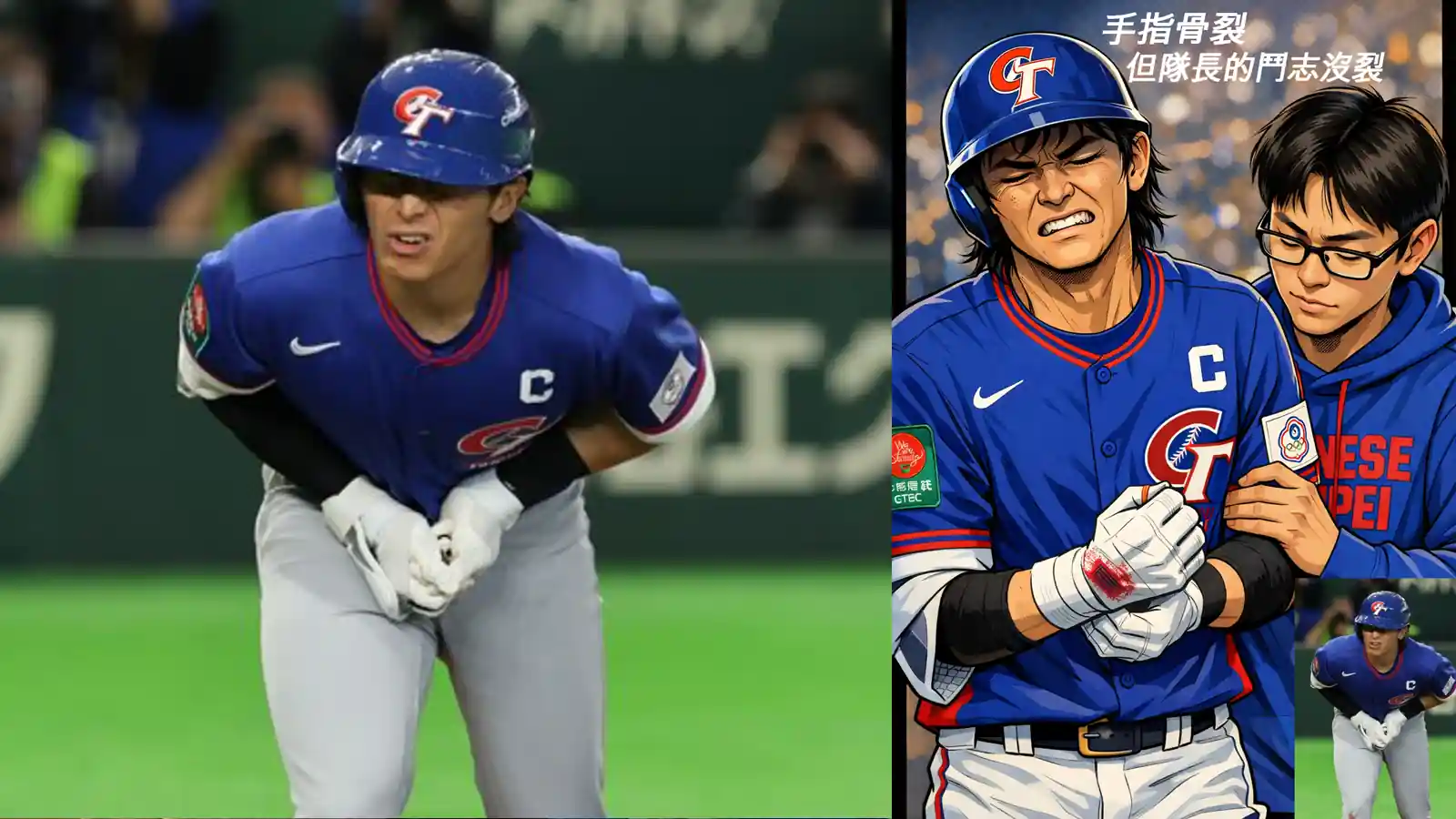
The meme surrounding Taiwan’s WBC captain Chen Chieh-Hsien emerged after a notable sports incident that occurred during the 2026 World Baseball Classic match between Taiwan and Australia. When Chen was struck on his left hand by a pitch and diagnosed with a finger fracture, the moment quickly became a source of emotional and humorous expression online. Fans used the phrase “pain so bad it fractured” to convey both sympathy and light-hearted commentary. This article documents the meme’s origin, development, and cultural significance within Taiwanese internet communities.
Origin Background
The meme originated on March 5, 2026, during the World Baseball Classic (WBC) Group C game between Taiwan and Australia. In the top of the sixth inning, Taiwan’s team captain Chen Chieh-Hsien was hit by a pitch on his left index finger, forcing him to leave the game. Medical staff later confirmed a distal bone fracture. The incident was broadcast live and replayed repeatedly through sports news and highlight clips, spreading quickly across online platforms.
Fans reacted to the sudden injury with a mix of concern and humor, turning the phrase “pain so bad it fractured” into a shared online expression. It served as both a sympathetic remark and a comedic exaggeration of the physical and emotional pain of the moment, helping the meme gain traction beyond traditional sports audiences.
Early Online Reaction and Spread
Within hours of the match, discussions appeared across platforms such as Twitter, PTT, and Dcard. Users posted screenshots of the moment Chen was struck, often pairing them with captions referencing the medical update or the team’s eventual 0–3 loss. The meme’s early form emphasized emotional solidarity, with some fans creating supportive image macros labeled “Captain, stay strong.”
- The majority of posts appeared within 24 hours after the game ended.
- Fans used short clips from sports broadcasts to create looping GIFs.
- Comment sections often mixed humor with genuine encouragement.
This rapid spread reflected the immediacy of sports fandom online, where collective reactions to key moments can evolve into digital folklore almost overnight.
Common Meme Formats
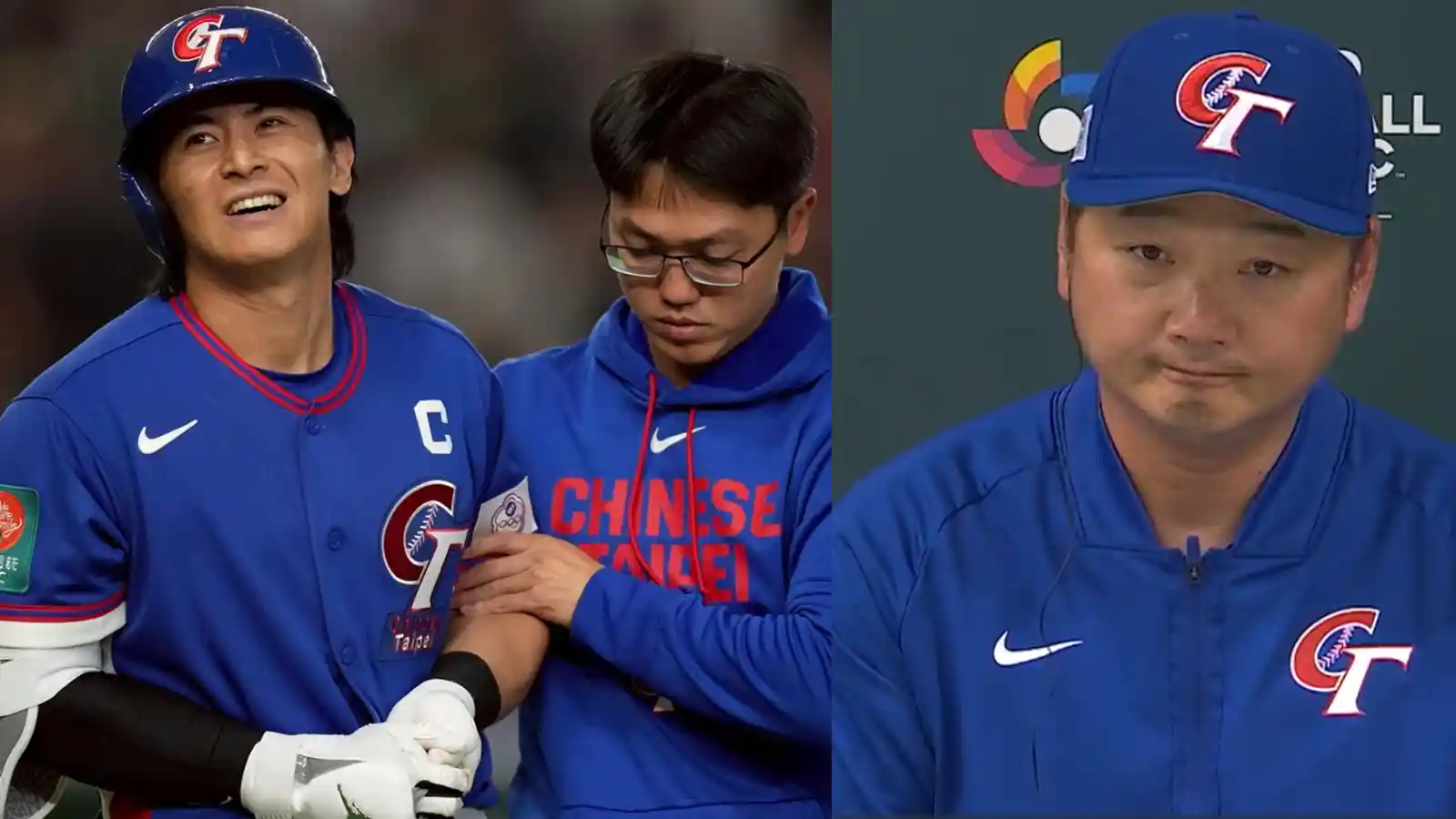
Several recognizable formats emerged as the meme developed. One popular type was the “fracture level” meme, which exaggerated the concept of pain intensity using humorous ranking charts. Another variant used the 0–3 game score as a metaphor for disappointment, combining it with captions about endurance and morale. Visual formats often included Chen’s facial expression at the moment of impact, paired with “pain index” templates common in reaction memes.
These images and captions balanced empathy and humor, allowing fans to express support while maintaining a lighthearted tone. The meme also resonated with broader audiences who appreciated the human side of sports competition and the shared experience of coping with loss or setbacks through irony.
Cultural Context and Social Tone
This meme belongs to the category of emotionally driven sports memes that emerge from real-life athletic events. Its tone blended regret, encouragement, and self-deprecating humor, which reflected the collective sentiment of Taiwanese baseball fans. Online interactions surrounding this meme were largely positive, focusing on solidarity rather than mockery.
In this context, the meme became a small digital ritual of empathy. Users reposted the images with messages wishing for recovery and resilience, turning a painful sports moment into a shared cultural symbol. It demonstrated how online communities transform fleeting events into expressions of national and emotional identity.
Platform Dynamics and Evolution
As the meme matured, its presence diversified across platforms. Facebook and Instagram favored static image memes, often captioned with puns or motivational lines. On YouTube Shorts, parody videos and dubbed voiceovers circulated, mixing humor with dramatic commentary. Reddit and Twitter users later reframed the meme into inspirational versions labeled “fight until the last inning,” shifting its meaning from injury to perseverance.
By late 2026, the meme had evolved into a symbolic reference to Taiwanese baseball spirit. It was used in discussions about dedication, teamwork, and national pride, extending beyond the original incident and becoming part of a wider sports narrative within digital culture.
Public Response and Symbolic Meaning
When Chen Chieh-Hsien later appeared in media interviews, public attention to the meme resurfaced. Many fans revisited the earlier images and comments, reflecting on how humor had helped process disappointment. The meme illustrated how sports events can rapidly shape internet language and collective memory, especially when tied to visible emotional moments.
Overall, the “pain to fracture” meme became one of the most recognizable digital memories of Taiwan’s 2026 WBC campaign. It captured the intersection between sports, online creativity, and shared empathy. For additional documentation of similar sports-related memes, refer to MemesBar, which compiles analyses of cultural and humorous online phenomena.