Japanese Capsule Toy Chain CEO Arrested for Secret Filming of Women
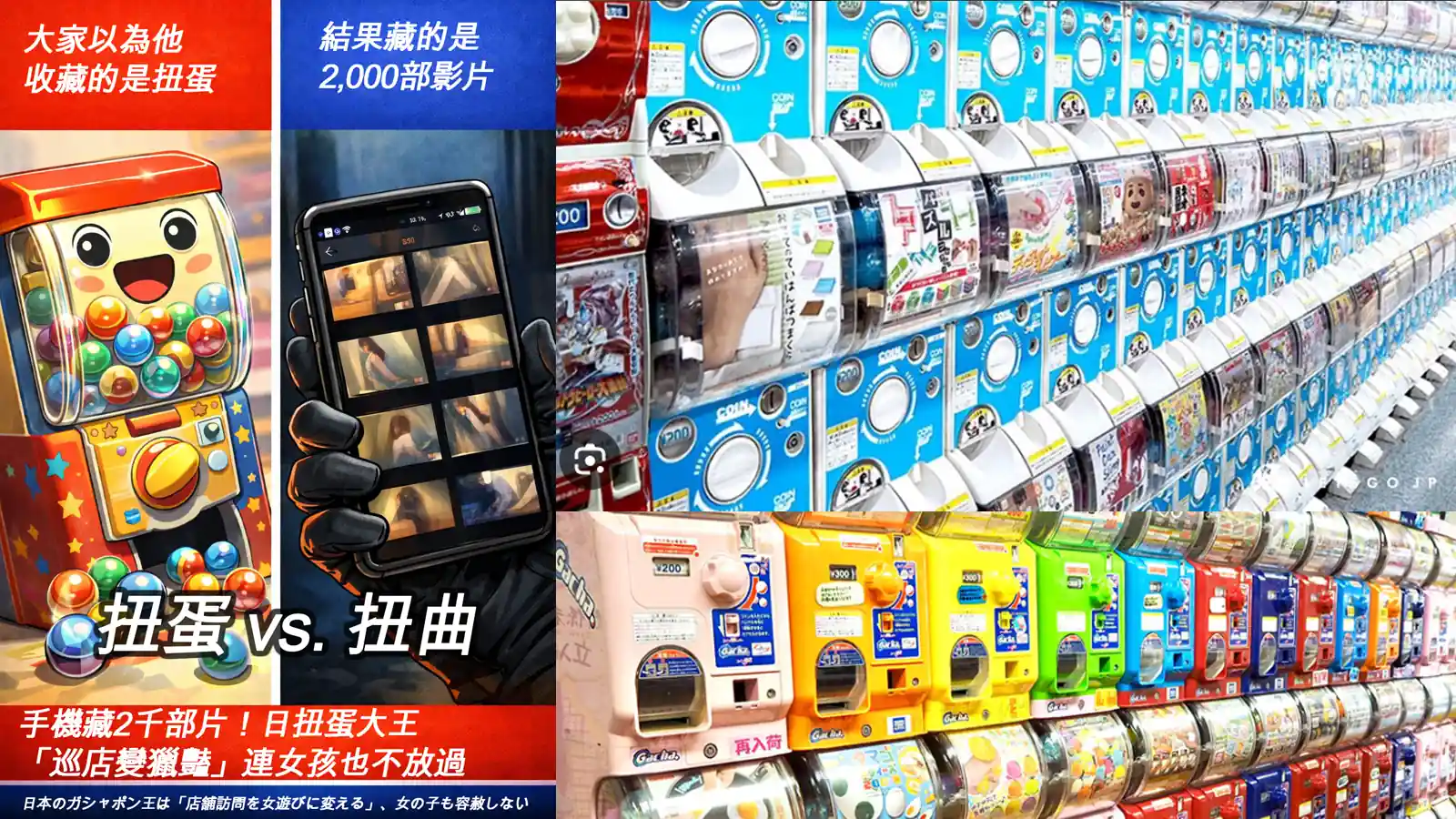
This article summarizes a criminal case in Japan involving the president of a capsule toy chain who was accused of surreptitious filming. The incident, which took place between 2025 and 2026, has drawn significant attention due to the scale of the recordings and the involvement of a well-known retail brand. The following sections provide factual context about the timeline, investigation, and social consequences of the case, as reported by Japanese media sources, focusing on the broader impact on corporate responsibility and public trust.
Case Overview
The case centers on Tatsuya Miyamoto, aged 43, president of the Japanese company Toshin, which operates the capsule toy store chain known as “#C-pla.” Between 2025 and 2026, Miyamoto was accused of repeatedly filming women without consent, focusing on voyeuristic recordings taken in public and commercial settings. Authorities later discovered a large number of video files stored on his personal devices. The incident attracted national attention not only because of the alleged acts themselves but also because the individual held a senior corporate position, raising questions about internal oversight and ethical accountability within retail organizations.
- Timeframe: 2025–2026
- Suspect: Tatsuya Miyamoto, age 43
- Company: Toshin Co., operator of #C-pla capsule toy stores
The allegations brought immediate scrutiny to both the individual and the company, as the case highlighted issues of privacy, trust, and leadership integrity in Japan’s retail sector.
Case Details
According to investigative reports, police found approximately 2,000 hidden-camera videos on the suspect’s mobile phone. Among these files, about 200 were reportedly recorded inside #C-pla stores, locations that typically attract families and young consumers. The recordings were said to have taken place in multiple cities, including Sapporo and Tokyo, suggesting a pattern of repeated misconduct across different branches. This discovery led to an extensive forensic review of digital evidence and raised concerns about how such activities went unnoticed within company facilities.
Authorities emphasized that the investigation focused on verifying when and where each video was captured, as well as identifying potential victims. The presence of recordings from inside retail stores made the case particularly sensitive, as it involved a commercial environment in which customers expected safety and privacy. The large volume of material also indicated a prolonged pattern rather than an isolated act, which intensified public reaction and media coverage.

Sequence of Events
Reports indicate that the suspect allegedly committed the acts over several months. Between May and June 2025, he engaged in three separate incidents of illicit filming in Sapporo. In July 2025, another incident occurred at a Tokyo branch of #C-pla, where the victim was reportedly a minor female customer. This particular episode came to light when a bystander noticed the suspicious behavior and intervened, leading to police notification and an on-site arrest. The sequence of events demonstrated both the persistence of the misconduct and the eventual public intervention that brought the case to authorities’ attention.
- May–June 2025: Three incidents in Sapporo.
- July 2025: Tokyo store incident involving a minor.
- Immediate police response following eyewitness report.
After the arrest, law enforcement began a broader search of the suspect’s digital devices, uncovering the full extent of the recordings that dated back months.
Police Investigation and Statements
The Tokyo Metropolitan Police Department led the investigation, coordinating with local units in Hokkaido for earlier incidents. During questioning, Miyamoto reportedly admitted to the acts, citing work-related stress as a factor influencing his behavior. Investigators treated this statement as part of his testimony but continued to pursue a full legal process, emphasizing that personal stress could not justify criminal activity. The police collected data from multiple devices, reviewed security footage from the stores, and interviewed employees to determine whether anyone else was aware of or complicit in the acts.
Public reports show that the police maintained a cautious communication strategy, releasing limited details to protect the privacy of identified victims. The admission of guilt simplified certain aspects of the legal process but did not mitigate the seriousness of the charges. The case became a focal point in discussions about how companies monitor executive conduct and respond to internal ethical violations.
Legal Proceedings
Miyamoto was charged under Japan’s Act on Punishment of Sexual Crimes and other related statutes. The case was transferred to prosecutors for further examination, and as of the latest updates, it remained under judicial review. Legal experts highlighted that the matter involved both criminal liability and questions of corporate supervision, since the incidents occurred partly within company premises. The company’s responsibility for oversight and preventive measures became part of the public debate, with legal commentators noting that organizational governance frameworks might face review in similar future cases.
| Charge | Legal Basis |
|---|---|
| Voyeurism and recording without consent | Violation of Sexual Crimes Punishment Act |
| Corporate oversight issue | Potential breach of management duty |
As the proceedings continue, the court’s findings are expected to shape how Japanese law interprets executive accountability in cases involving personal misconduct connected to business environments.
Social and Brand Impact
The incident had a severe impact on the #C-pla brand and its parent company Toshin. Public trust declined sharply after the revelations, and social media users expressed disappointment that such behavior occurred within a popular retail chain. Analysts observed that the case prompted broader discussions in Japan about workplace culture, abuse of authority, and the need for stronger preventive mechanisms against sexual misconduct. The reputational damage extended beyond the company, influencing perceptions of corporate governance across the retail industry.
On a social level, the case reinforced public awareness about privacy protection and the ethical responsibilities of business leaders. Many commentators described it as a cautionary example of how individual wrongdoing can undermine collective trust in a brand built over years. For further reading on how online communities discuss corporate scandals and meme-related reactions to real-world events, see MemesBar.