Iranian Supreme Leader Khamenei Killed in US-Israel Airstrike, Triggering Power Vacuum
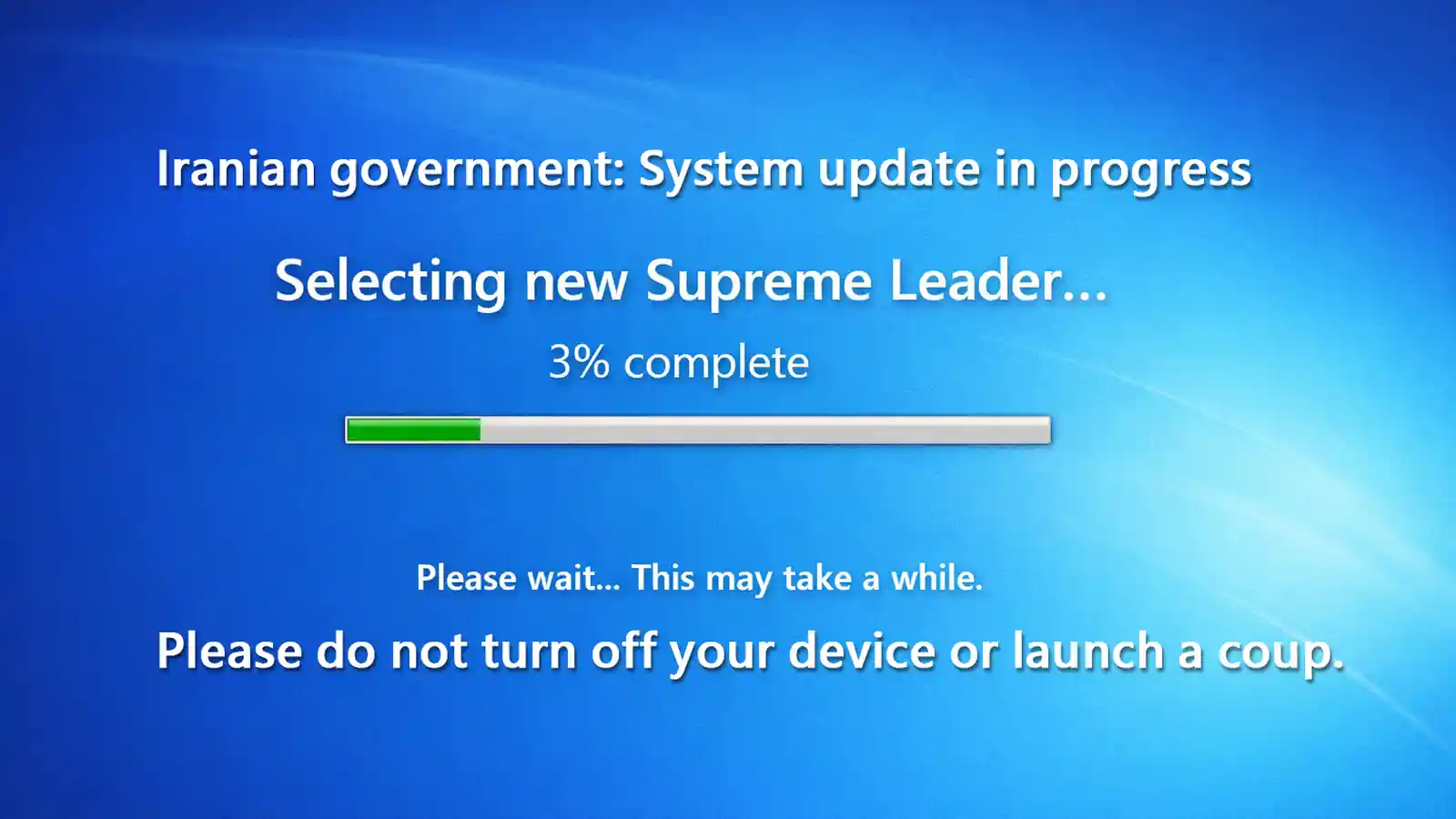
The meme emerged from the intense online reactions following the February 28, 2026 “Epic Fury” operation, during which a joint U.S.–Israeli airstrike reportedly led to the death of Iran’s Supreme Leader Ali Khamenei. Initial reports were inconsistent, and information circulated rapidly across social media, mixing verified updates with speculation. The online environment quickly transformed into a space where users processed the geopolitical shock through humor, irony, and symbolic imagery. This combination of political gravity and meme culture made the topic one of the most discussed digital phenomena of early 2026.
Origin and Background
The meme originated directly from the global news coverage of the February 28, 2026 “Epic Fury” operation. The event, involving a series of coordinated airstrikes by U.S. and Israeli forces, targeted multiple military and governmental sites in Iran. The confirmation that Supreme Leader Ali Khamenei had died during the operation marked a historic turning point for the region. Immediately after the reports surfaced, social media users began creating and sharing memes that reflected confusion, disbelief, and political commentary. During the first hours, the online space was filled with mixed claims—some denying the death, others amplifying unverified footage, and many treating the situation as surreal. This ambiguity fostered a meme-making environment where humor, skepticism, and political expression overlapped, transforming a breaking-news event into a viral cultural phenomenon.
Online Spread and Main Platforms
Major online platforms such as Twitter, Reddit, Telegram, and X became primary spaces for the meme’s rapid diffusion. Users posted edited screenshots, parody news banners, and captioned images that referenced the supposed “power vacuum” left by Khamenei’s death. The most shared posts often used the phrase “end of an era” to frame the event as both historic and symbolically final. On Reddit, threads in global politics and meme subforums documented the spread of different formats, from serious geopolitical discussions to satirical reinterpretations. Telegram channels, especially those focused on Middle Eastern affairs, circulated short clips remixing news footage into sarcastic montages or animated political cartoons. The meme’s virality was partly driven by the tension between real-time news updates and the internet’s tendency to repackage tragedy through humor.
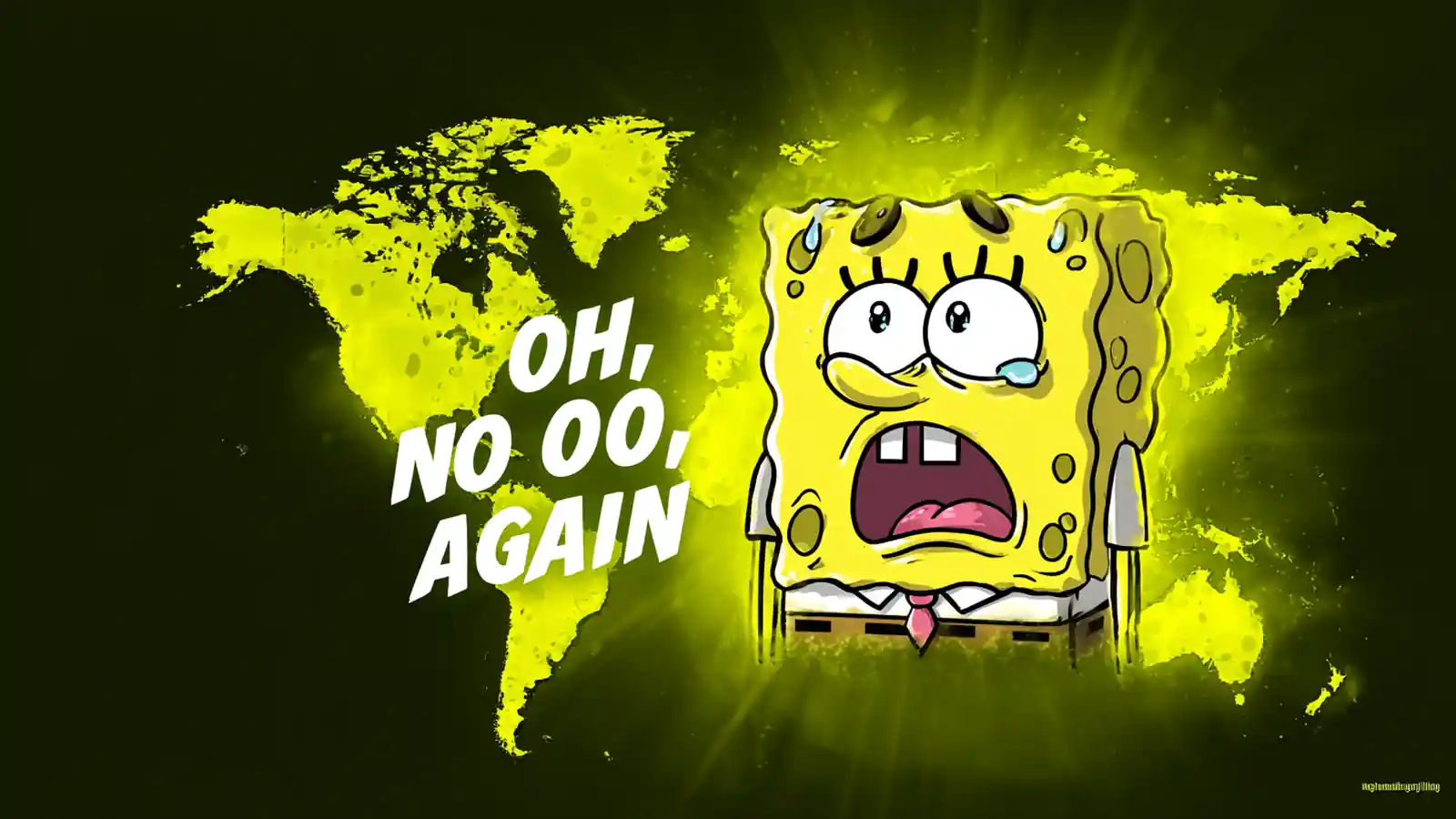
Common Forms and Symbols
- Visual memes frequently combined Khamenei’s portrait with explosion effects or edited backgrounds depicting collapsing buildings or empty thrones, symbolizing instability.
- Another popular form involved mock headlines mimicking international news outlets, using exaggerated or humorous phrasing to highlight uncertainty.
- Figures such as “86 years old” and “37 years in power” appeared as symbolic contrasts between longevity and sudden downfall.
- Visual metaphors of “vacuum” or “successor” were used to represent the perceived gap in leadership, often illustrated with empty chairs or vanishing silhouettes.
These recurring motifs allowed users to convey complex political ideas through compact, shareable imagery. Even without explicit text, the symbols communicated notions of transition, fragility, and the unpredictability of power in modern geopolitics.
Social Context and Emotional Tone
Reactions to the meme varied widely by region and political stance. In Western online spaces, the tone leaned toward irony and satire, often treating the event as a subject of dark humor or political commentary. In contrast, within Iranian and broader Middle Eastern communities, responses were more divided. Some users expressed mourning or disbelief, while others displayed cautious optimism or outright celebration. The coexistence of grief and ridicule highlighted how digital culture compresses emotional diversity into instantaneous global reactions. Political polarization further shaped the meme’s tone: supporters of different ideologies reframed the same imagery to support conflicting narratives. This divergence underscores how memes can function simultaneously as tools of emotional release, political signaling, and collective storytelling.
Variants and Derived Uses
As the initial news cycle subsided, derivative memes began to appear. The phrase “Epic Fury” evolved into a metaphor for sudden, dramatic upheaval beyond military contexts, used to describe unexpected resignations, corporate collapses, or sports upsets. Similarly, “vacuum mode” became shorthand for any situation marked by leadership uncertainty or institutional paralysis. Some creators integrated screenshots from former U.S. President Donald Trump’s Truth Social posts, juxtaposing them with captions about global instability, turning political commentary into layered satire. Over time, these variants lost direct reference to the original event but retained its symbolic association with abrupt change and power transitions. This secondary wave of memes demonstrated how internet users recontextualize serious political developments into flexible cultural shorthand.
Cultural and Media Interpretation
International media outlets described the meme’s rise as evidence of a shifting relationship between news consumption and digital humor. Analysts noted that the speed of meme production and circulation reflected a new phase in online political discourse, where factual reporting and entertainment often merge. Scholars studying digital communication argued that this meme illustrated the interplay of information warfare, emotional processing, and satire in the internet era. The “Epic Fury” meme thus became an emblem of how serious geopolitical events are refracted through participatory media culture. It also served as a reminder of the challenges in distinguishing verified information from symbolic expression in fast-moving online environments. For further reading on related meme phenomena, see MemesBar, which documents evolving patterns of internet humor and sociocultural interpretation.