Elon Musk’s Transgender Daughter Vivian Appears in Sheer Outfit at Paris Fashion Week
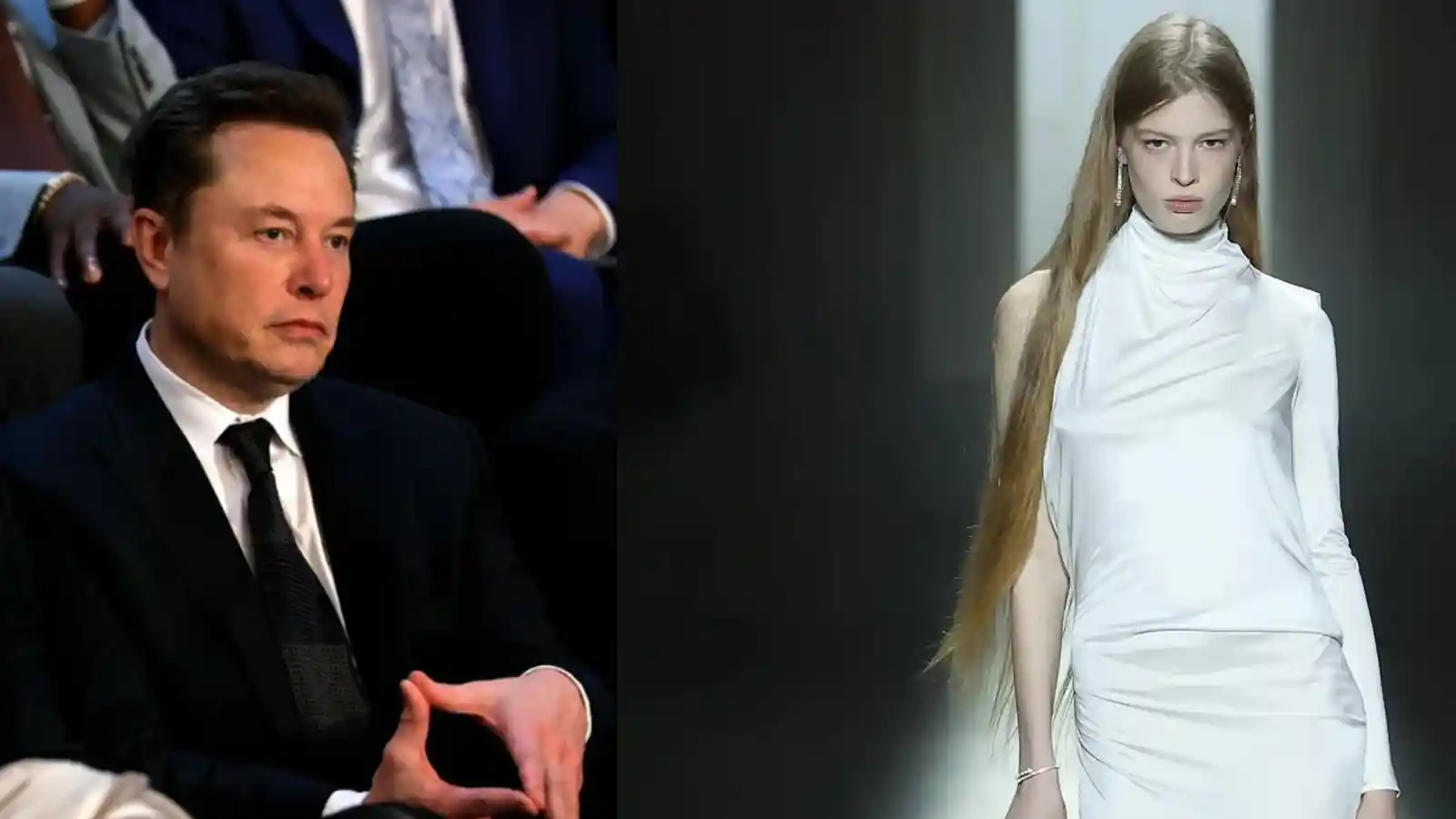
The appearance of Vivian Jenna Wilson, daughter of Elon Musk, at Paris Fashion Week wearing a sheer outfit became a trending topic across both news and social platforms. This event, first reported in early March 2026, quickly evolved into a meme phenomenon reflecting how celebrity fashion intersects with gender identity and online discourse. The memes surrounding the event illustrate how digital communities transform public appearances into cultural commentary, often balancing admiration, critique, and humor within the same conversation.
Origin and News Background
The meme’s origin can be traced to a Mirror Weekly report published on March 6, 2026, which covered Vivian Jenna Wilson’s attendance at the Acne Studios Autumn/Winter show during Paris Fashion Week. Her choice of a sheer, “vacuum-style” outfit drew immediate attention from fashion journalists and online observers. Within hours, images and short clips of her appearance circulated widely across entertainment news accounts and meme pages. The combination of celebrity lineage and bold fashion styling created the perfect conditions for viral reinterpretation, turning a fashion headline into a recurring internet reference.
- Initial coverage: March 2026, Mirror Weekly Taiwan.
- Event: Acne Studios Fall/Winter 2026 show.
- Primary focus: Vivian’s fashion expression and public visibility.
Figure and Symbolic Meaning
Vivian Jenna Wilson, one of Elon Musk and Justine Musk’s twin children, publicly came out as transgender in 2020 and legally changed her name in 2022. Her reappearance in high-profile fashion contexts has been interpreted as a marker of growing recognition for transgender individuals within luxury and mainstream fashion environments. The meme discussions often highlight her symbolic role as both a representative of a new generation of public figures and an emblem of self-determined identity. In online discourse, Wilson’s image became a shorthand for debates on visibility, personal freedom, and the evolving norms of celebrity self-presentation.
Observers note that the public’s fascination is not limited to her family background but also to what her presence signifies about inclusivity and the shifting boundaries between personal identity and public fashion performance.
Social Spread and Meme Formation
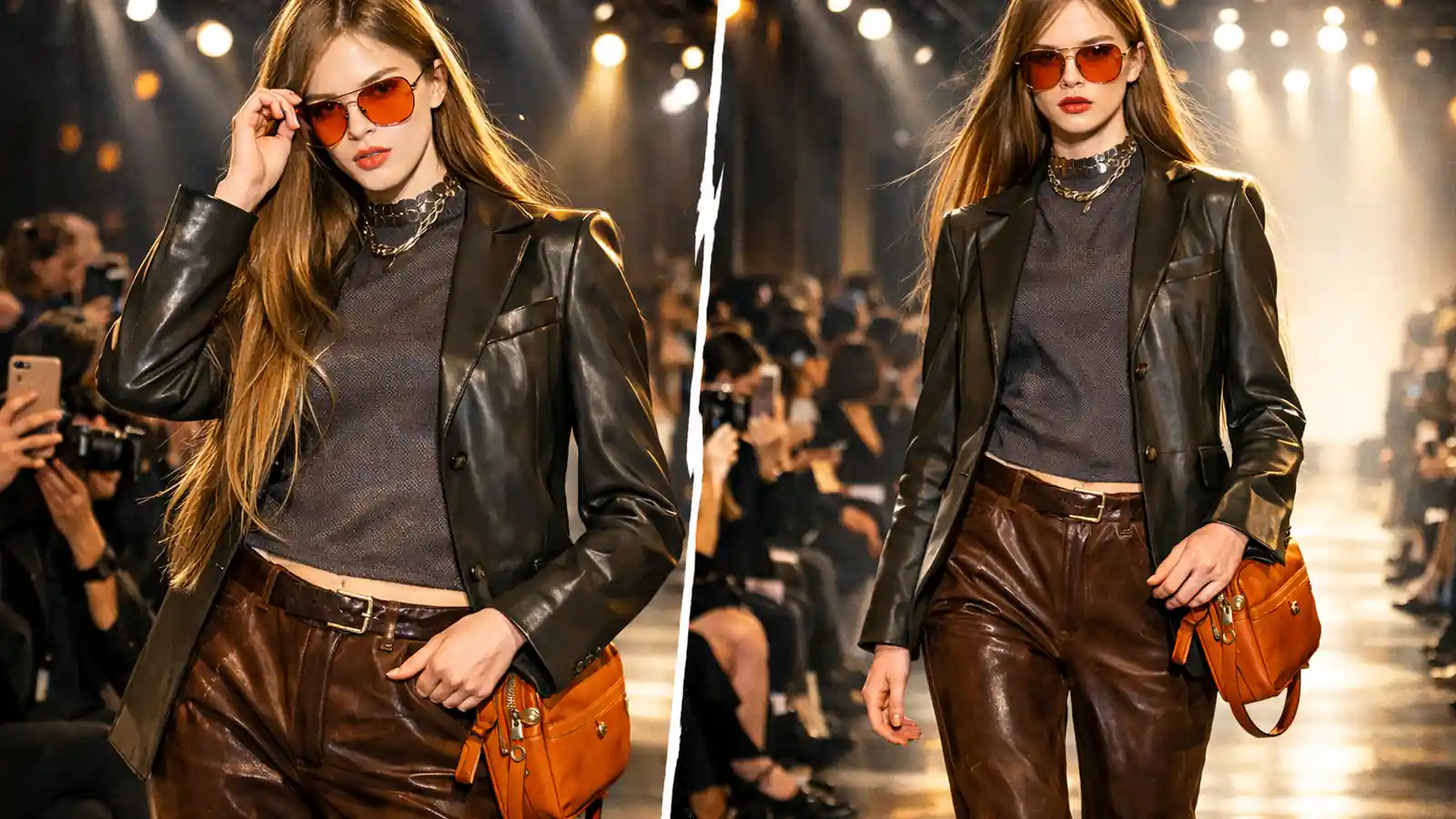
After the initial coverage, photos and short clips of Wilson’s appearance were shared across X (formerly Twitter), Instagram, and Reddit. Users repurposed the material into memes focusing on her outfit, her relationship to her father, and her independent public stance. Common meme formats included split-screen comparisons, humorous captions juxtaposing “family legacy” and “fashion rebellion,” and remix edits that highlighted generational contrasts. The meme spread rapidly as users combined humor with commentary on celebrity culture. Through these iterations, the event transitioned from a fashion headline to a participatory online meme template.
- Platform circulation: X, Instagram, Reddit.
- Typical meme themes: independence, contrast, generational symbolism.
- Visual style: photo collages, text overlays, and remix humor.
Online Context and Emotional Tone
The online reactions displayed a wide emotional range. Some praised Wilson’s confidence and creativity, viewing her outfit as a statement of self-expression and courage. Others criticized the aesthetic or questioned the media’s emphasis on her appearance. Meme creators often used irony, parody, or contrast to comment on gender politics, celebrity families, and public scrutiny. While humor dominated, many discussions carried undertones of empathy or reflection on identity and acceptance. This duality—between satire and support—illustrates how meme culture can function simultaneously as entertainment and as a space for social dialogue.
In this environment, emotional tone depended on audience context: fashion enthusiasts tended toward admiration, while general meme communities leaned toward playful reinterpretation, occasionally blending critique with humor.
Variants and Cross-Platform Evolution
As the meme matured, derivative trends emerged. On TikTok, short videos re-edited runway footage with background music to create rhythmic or comedic effects. The “vacuum outfit challenge” and “father-daughter contrast” meme templates appeared on image boards and Twitter threads, often reusing the same photographs with new captions. International audiences adapted the meme to broader discussions of celebrity offspring and generational identity. In multilingual spaces, Wilson’s image became associated with the idea of a “new era celebrity”—a figure defined by both heritage and reinvention. These adaptations demonstrated how meme culture translates across platforms and languages while retaining recognizable visual anchors.
| Platform | Dominant Format |
|---|---|
| TikTok | Short remix videos |
| Discussion threads and comparative memes | |
| X / Twitter | Caption-based humor and commentary |
Cultural Analysis and Impact Observation
The broader cultural reading of this meme points to an evolving acceptance of transgender models and public figures in mainstream media. It also highlights how online spaces reinterpret celebrity imagery through humor, critique, and symbolic framing. The meme’s persistence reflects how users negotiate ideas of self-identity, family legacy, and fashion autonomy in digital culture. Rather than a single joke, it functions as a conversation piece linking personal transformation and collective commentary. Analysts have noted that such memes often blur the line between representation and recreation, illustrating the participatory nature of 21st-century visual culture. For further documentation of meme trends and cultural analysis, readers can explore related entries at MemesBar.