Goodnight Chicken and A-Na return to Taiwan after Cambodian imprisonment
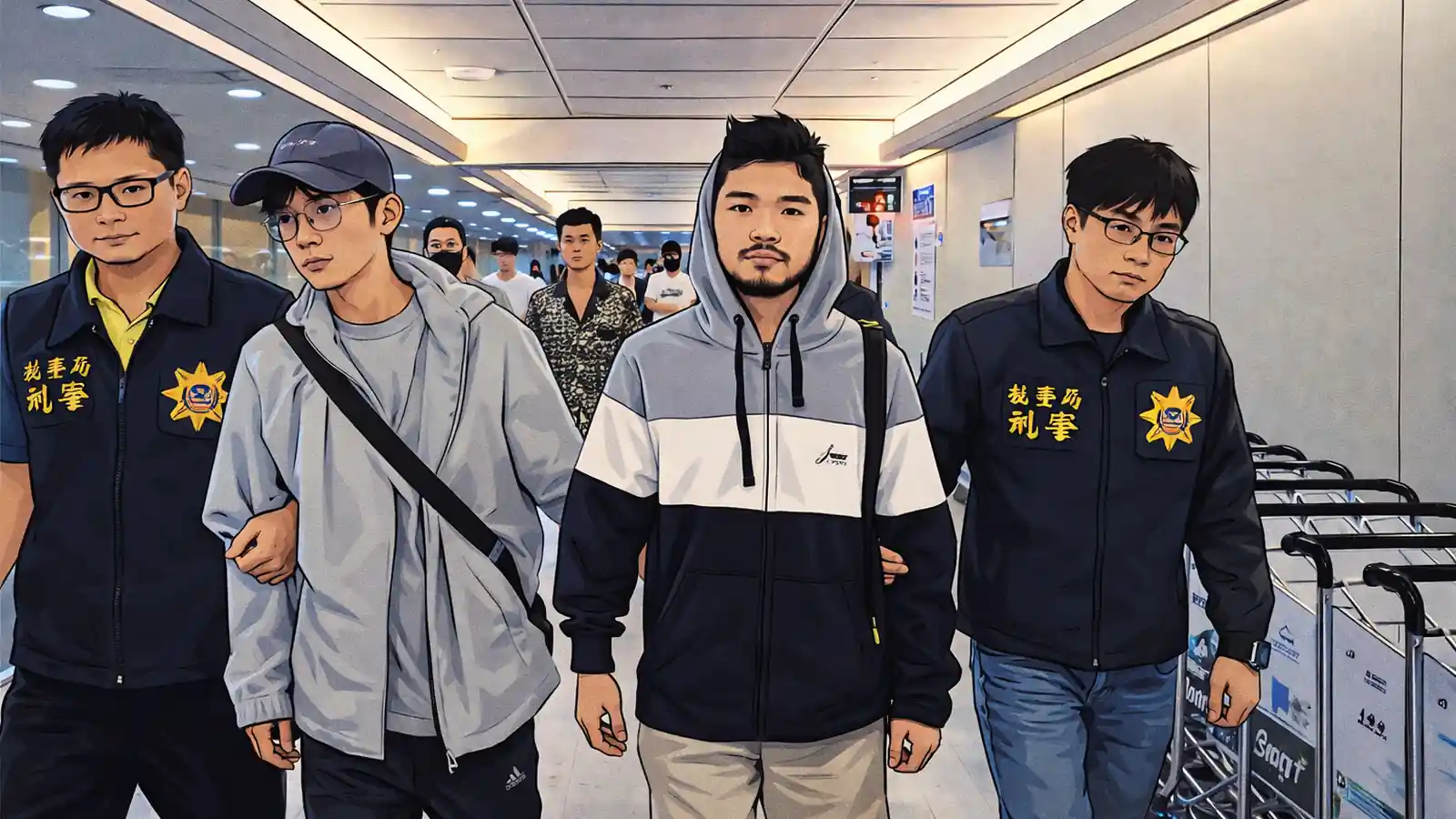
The case of Taiwanese internet personalities “Goodnight Chicken” (Chen Nengquan) and “A-Nao” attracted renewed online attention after their return from Cambodia in 2026. Both had served a two-year sentence there for creating a staged kidnapping video that misled the public. Upon their repatriation to Taiwan, they were detained again by local authorities. The incident has become a focal point for discussions about influencer accountability, livestream culture, and the legal implications of performative content creation across borders.
Background and Main Figures
“Goodnight Chicken,” whose real name is Chen Nengquan, is known in Taiwan’s online community for his comedic and adventurous video content. His collaborator, “A-Nao,” is a livestream host recognized for paranormal exploration videos. In February 2024, the two traveled to Cambodia and recorded a self-directed video depicting a kidnapping scenario. The footage was later found to be staged, but it circulated widely on social media before authorities intervened. The video’s apparent realism caused confusion among viewers and prompted Cambodian police to investigate the matter as a potential threat to public order.
The pair’s actions sparked considerable debate regarding the boundaries between entertainment and misinformation in influencer culture. Their attempt to create viral content through dramatized danger highlighted the growing tension between online visibility and ethical responsibility. Cambodian officials treated the case as a serious public disturbance, emphasizing that even fictionalized content can carry legal risks when it disrupts social stability.
Legal Sentence and Imprisonment
Following their arrest, Cambodian courts charged both individuals with “inciting social unrest.” The court ruled that their fabricated kidnapping video had the potential to cause panic and undermine public trust. Each was sentenced to two years in prison. Although their release was initially scheduled for February 15, 2026, administrative and diplomatic procedures delayed their return. The repatriation process concluded on March 19, 2026, marking the official end of their incarceration period.
- Charge: Incitement to create social unrest
- Sentence: Two years imprisonment
- Completion: March 19, 2026 (after delays)
During their imprisonment, reports indicated that both maintained limited communication with family and followers. Their case was occasionally referenced in regional media as an example of how cross-border digital behavior can intersect with differing national legal systems. It also demonstrated how livestreamers’ actions, even when intended as entertainment, may be judged under stricter public safety laws abroad.
Return to Taiwan and Arrest
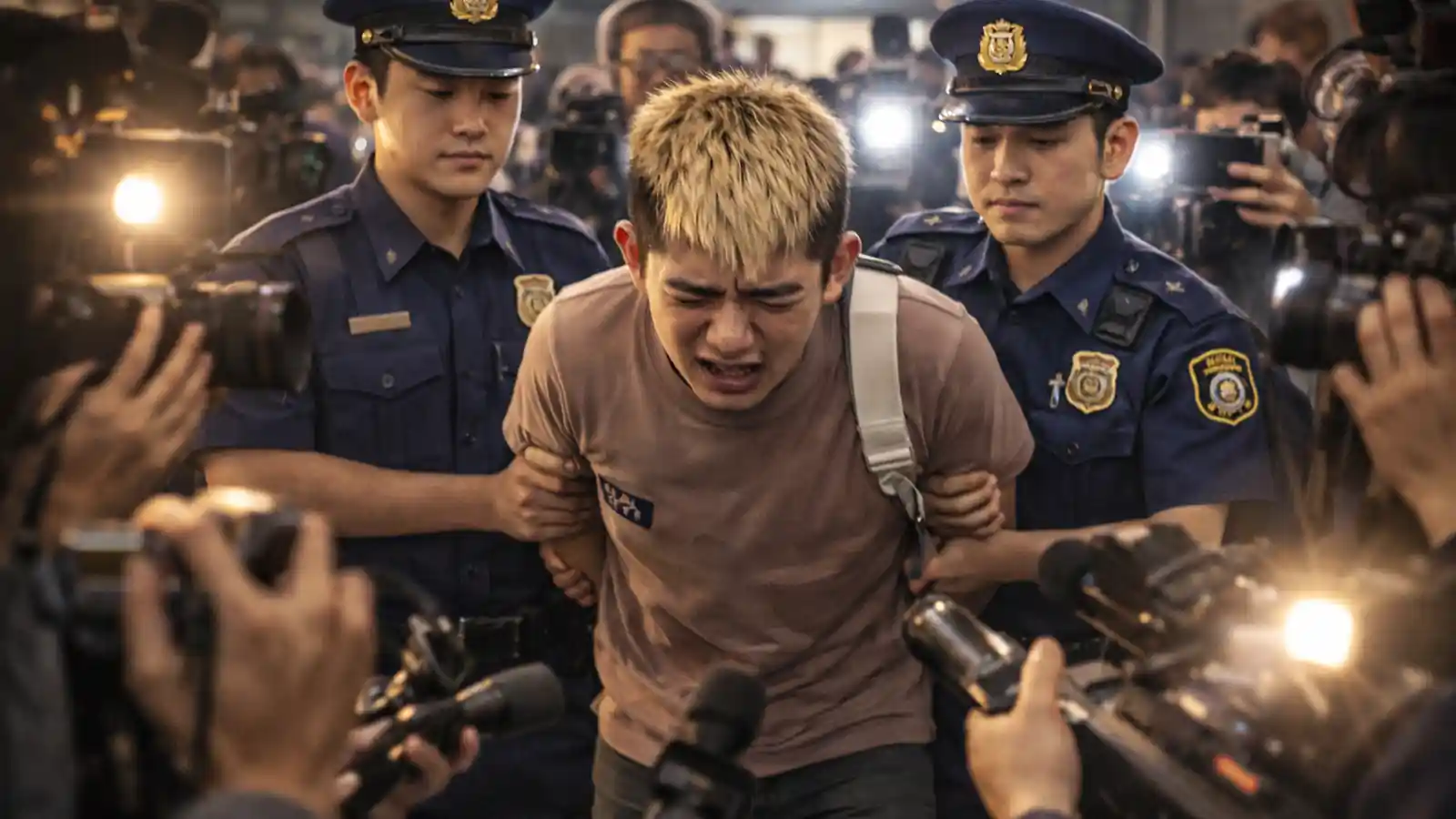
Upon arrival in Taiwan in March 2026, both individuals were immediately detained by police. Authorities cited outstanding warrants related to earlier incidents. In particular, “Goodnight Chicken” was wanted in connection with a 2023 livestream filmed inside a private residence in Tamsui, for which he had failed to appear in court. The pair were transferred to the Shilin District Prosecutors Office for further investigation, and prosecutors stated that compulsory measures could not be ruled out.
This development underscored how previous domestic legal issues can resurface even after serving time abroad. The coordinated police action suggested that Taiwanese authorities had been monitoring their case closely during their imprisonment in Cambodia. Public reaction in Taiwan blended curiosity, criticism, and fatigue toward the ongoing controversies surrounding internet celebrities who engage in legally questionable publicity acts.
Online Reactions and Public Discussion
Their return reignited discussions about influencer ethics, responsibility, and the blurred line between fictional performance and real-world consequences. Many online users expressed skepticism toward their behavior, framing it as an example of how far individuals might go for attention. Others debated whether their punishment was proportionate or reflective of unequal cross-national legal standards.
- Some commentators questioned the morality of staging violent or distressing content for views.
- Others focused on the implications for freedom of expression versus social stability.
- Media analysts examined how coverage of the case varied between Cambodian and Taiwanese outlets.
The discourse revealed underlying tensions in global digital culture—specifically, how audiences interpret authenticity in livestreamed events. The case became a recurring topic on forums and news platforms, serving as both cautionary tale and spectacle in the evolving landscape of internet celebrity.
Statements and Subsequent Developments
After returning, “Goodnight Chicken” commented publicly that the repatriation process was difficult, saying he “almost couldn’t come back.” He announced plans to hold a press conference to explain his experience. “A-Nao” noted that he had served “two years, one month, and eight days” before finally returning to Taiwan. Their remarks were widely shared online and dissected for tone and sincerity by commentators.
Both remain under observation by media and the public, with new content or statements likely to be scrutinized for signs of remorse or repetition of past behavior. The situation illustrates how post-incarceration narratives can influence reputation management in the influencer community. The long-term outcome for both figures may depend on whether they adjust their online conduct to align with legal and ethical expectations.
Cultural and Community Context
This incident has since entered broader internet discourse as a reference point for discussions of “influencer overreach.” Within meme culture, it is often cited when creators stage exaggerated or dangerous acts for visibility, symbolizing the risks of self-produced drama gone wrong. The phrase “self-directed chaos” has occasionally been used by commentators to describe similar cases where entertainment motives overshadow judgment.
The case also highlights the structural pressures of livestream culture, where creators compete for attention in real time and may cross ethical or legal boundaries in pursuit of engagement. It continues to appear in online compilations and discussions about digital accountability. For further background on how internet memes evolve from such events, see memesbar.com.
category: internet slug: goodnight-chicken-an-ao-return-taiwan