Jay Park Finally Talks About Leaving 2PM
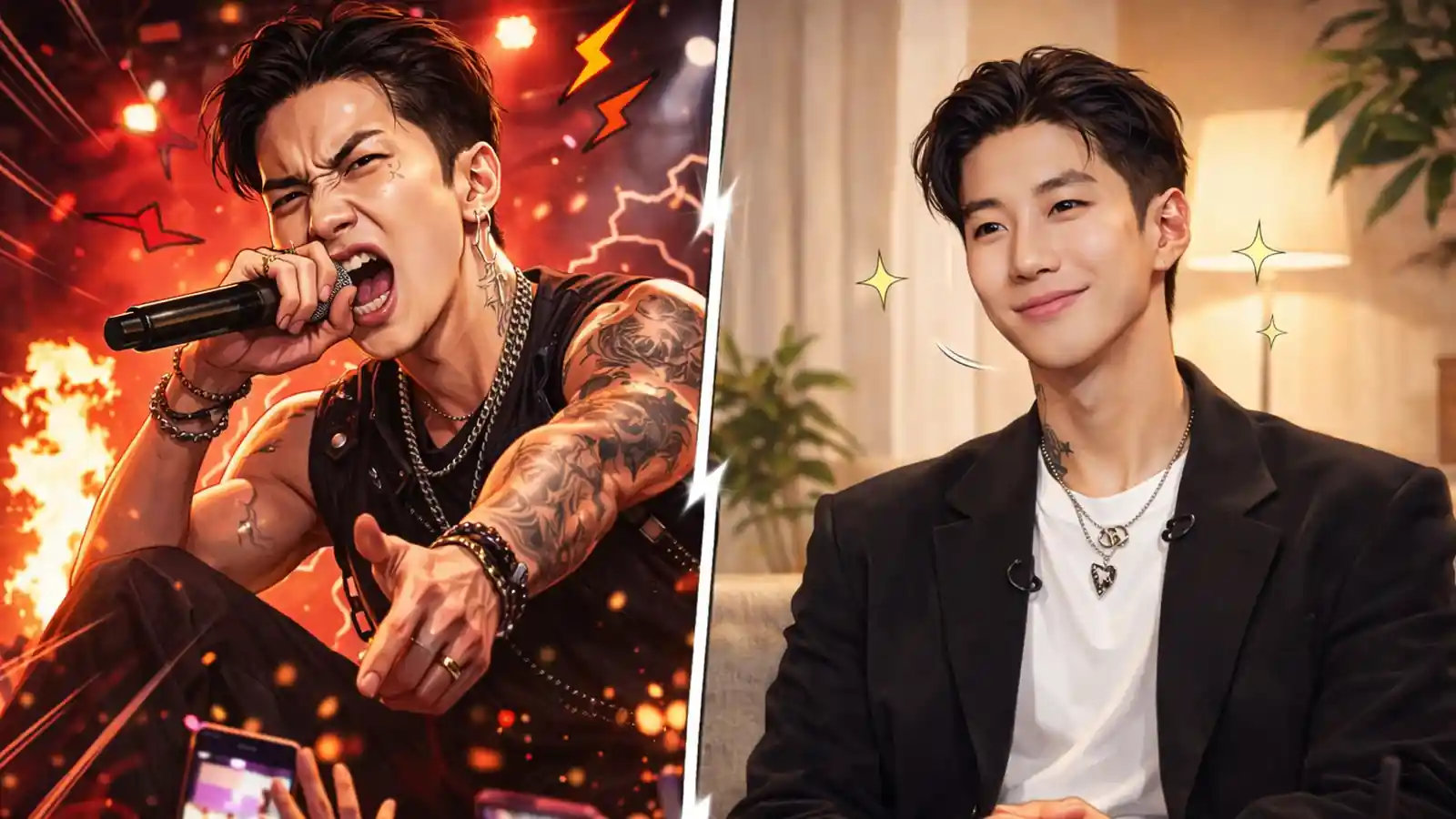
In early March 2024, Korean artist Jay Park appeared on the YouTube channel “Eyes Mag,” where he openly discussed his emotional state surrounding his departure from the boy group 2PM. This marked the first time he publicly addressed the topic in depth. During the conversation, he reflected on his feelings of regret rather than fear, recalling how his return to music began with a self-uploaded cover video that quickly gained millions of views. The interview also emphasized his evolving mindset toward self-honesty, creative independence, and peace of mind, rather than conforming to predefined expectations of how a singer should act. This article summarizes the background, context, and social reception of the interview.
Background and Context
The interview took place on the YouTube series Eyes Mag, which often features artists discussing their careers and personal reflections. Jay Park’s episode aired on March 5, 2024, and centered on his emotional journey and his perspective on past events that shaped his public image. The discussion offered a retrospective look at his early career, controversies, and personal growth since leaving the group 2PM over a decade earlier. By choosing a conversational and introspective setting, the program allowed him to share thoughts rarely expressed in formal media appearances.
Through this platform, the artist revisited moments that had defined both his career trajectory and his relationship with fans. The interview was notable for its calm tone and focus on self-awareness rather than sensationalism, highlighting how digital media formats like YouTube interviews have become important spaces for public figures to reframe their narratives.
Looking Back on Leaving 2PM
Jay Park’s departure from the group 2PM dates back to 2009, following online controversy surrounding old social media posts made during his trainee years. The posts were interpreted by some netizens as critical of Korea, which led to widespread discussion and public pressure. Shortly after, he announced his decision to leave the group and returned to the United States. In 2010, his contractual relationship with JYP Entertainment officially ended, marking a major turning point in his career.
This period was one of intense media scrutiny and emotional strain. For many fans, his exit symbolized the volatility of idol culture and the pressures of maintaining a flawless public image. The 2024 interview revisited this chapter not as a defense but as a reflection, providing insight into how he processed the events and the lessons learned from that time.

Explaining His Feelings at the Time
In the interview, Jay Park stated that his dominant emotion during the 2009 controversy was not anxiety but a deep sense of apology toward his group members and fans. He explained that he felt he had done everything possible to handle the situation responsibly, even when circumstances were beyond his control. His words conveyed a tone of closure and reconciliation rather than bitterness.
He emphasized that his intent was to face the past with sincerity, acknowledging mistakes and misunderstandings without dwelling on regret. This approach reflected a mature outlook that highlighted emotional growth over time. The segment resonated with audiences who appreciated his openness and willingness to revisit a difficult subject with composure and humility.
A New Start in Music
After returning to Seattle, Jay Park began recording and uploading music independently. One of his early cover videos reportedly reached three million views within a single day, drawing widespread attention and new collaboration offers. This viral success marked a turning point in his career, allowing him to rebuild his reputation through creative output rather than controversy.
- The video’s rapid popularity demonstrated the power of online platforms in reshaping public perception.
- It also showed how artists could regain momentum by directly engaging audiences without intermediary agencies.
- For Jay Park, this moment symbolized freedom and renewal, setting the foundation for his later work as a solo artist and entrepreneur.
From this point forward, he pursued a path that balanced artistry with authenticity, relying on musical expression to reestablish his identity in the industry.
Personal Values and Creative Outlook
Throughout the interview, Jay Park underlined his belief in self-honesty and independence from public expectations. He mentioned that he no longer adheres to the fixed image of what a singer “should” be, preferring instead to focus on internal peace and creative sincerity. This philosophy aligns with his broader career choices, which often blend mainstream music with independent production and cross-cultural collaboration.
His emphasis on mental balance and freedom from judgment reflected a broader discussion in Korean entertainment about individuality and authenticity. By voicing these principles, he positioned his music and public persona as extensions of his personal growth rather than attempts to fit an industry mold. This perspective resonated with many who view his journey as an example of resilience and self-definition in modern pop culture.
Public and Fan Reactions
Following the release of the interview, online communities revisited discussions about Jay Park’s past and his evolution as an artist. Many fans highlighted his maturity and consistent dedication to music, while others analyzed how his statements represented a broader shift toward transparency in celebrity culture. The general tone of responses was reflective rather than divisive, with the conversation focusing on lessons learned and the significance of personal accountability.
The interview was widely interpreted as a demonstration of honesty and emotional closure, helping to contextualize earlier controversies within a narrative of growth. Observers noted how such candid reflections can influence public memory and reshape an artist’s legacy over time. For additional documentation on cultural discussions surrounding artists and digital-era interviews, readers can refer to MemesBar, which archives analyses of internet-related media trends.