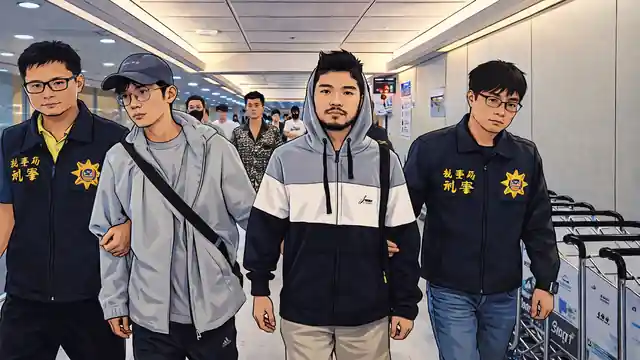
Drug Smuggling? The Scandal That Nearly Ended 2NE1’s Park Bom’s Career
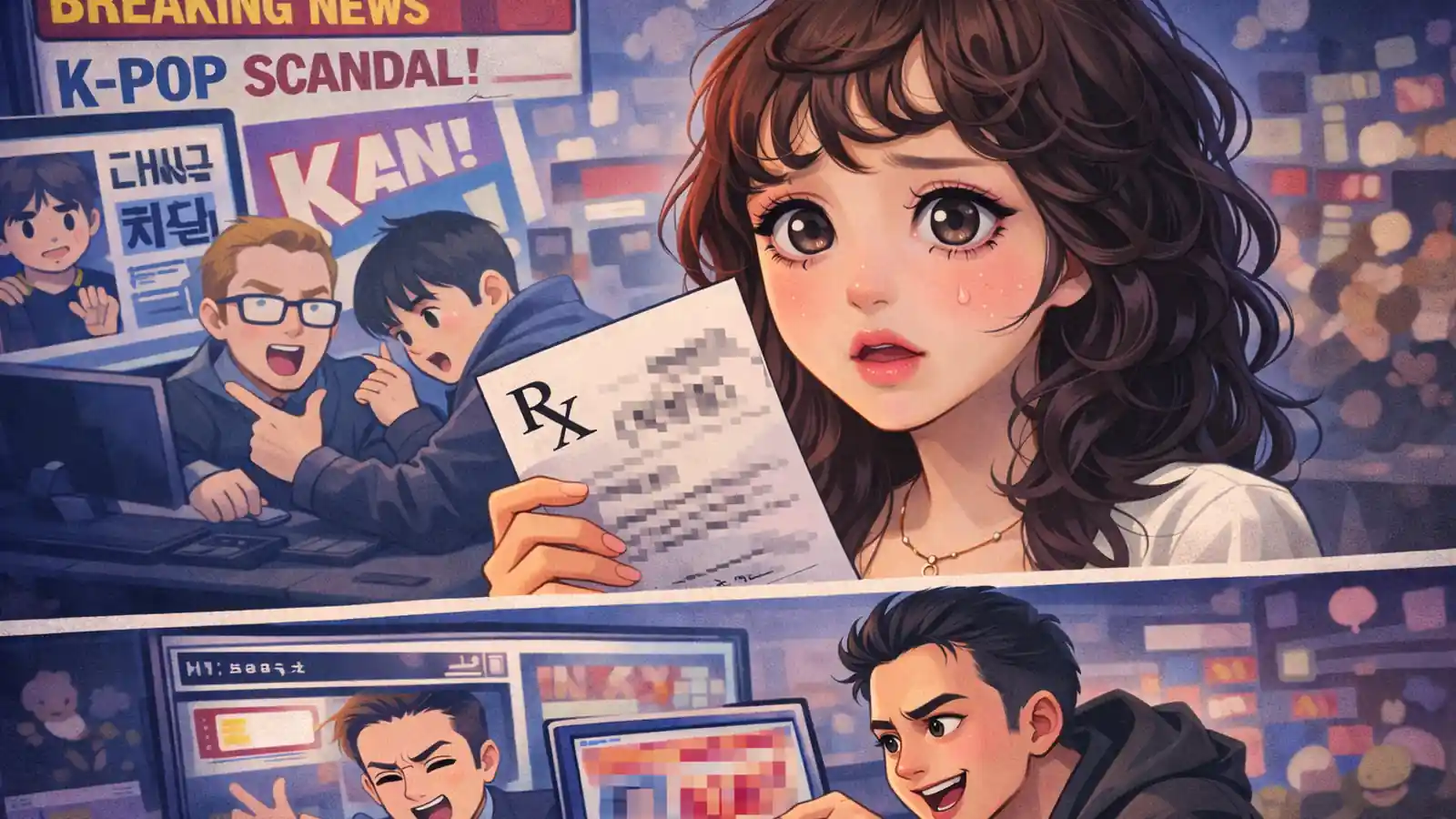
In 2026, former 2NE1 member Park Bom mentioned her past controversy involving a drug-related scandal, stating that she had been misunderstood and treated as a scapegoat. The incident, which first surfaced in 2014, concerned a 2010 case where she was investigated for bringing Adderall tablets containing amphetamine into South Korea. The issue became a major topic of discussion in entertainment news and online communities, raising questions about medical use, celebrity privilege, and the treatment of mental health in the entertainment industry.
Background of the Incident
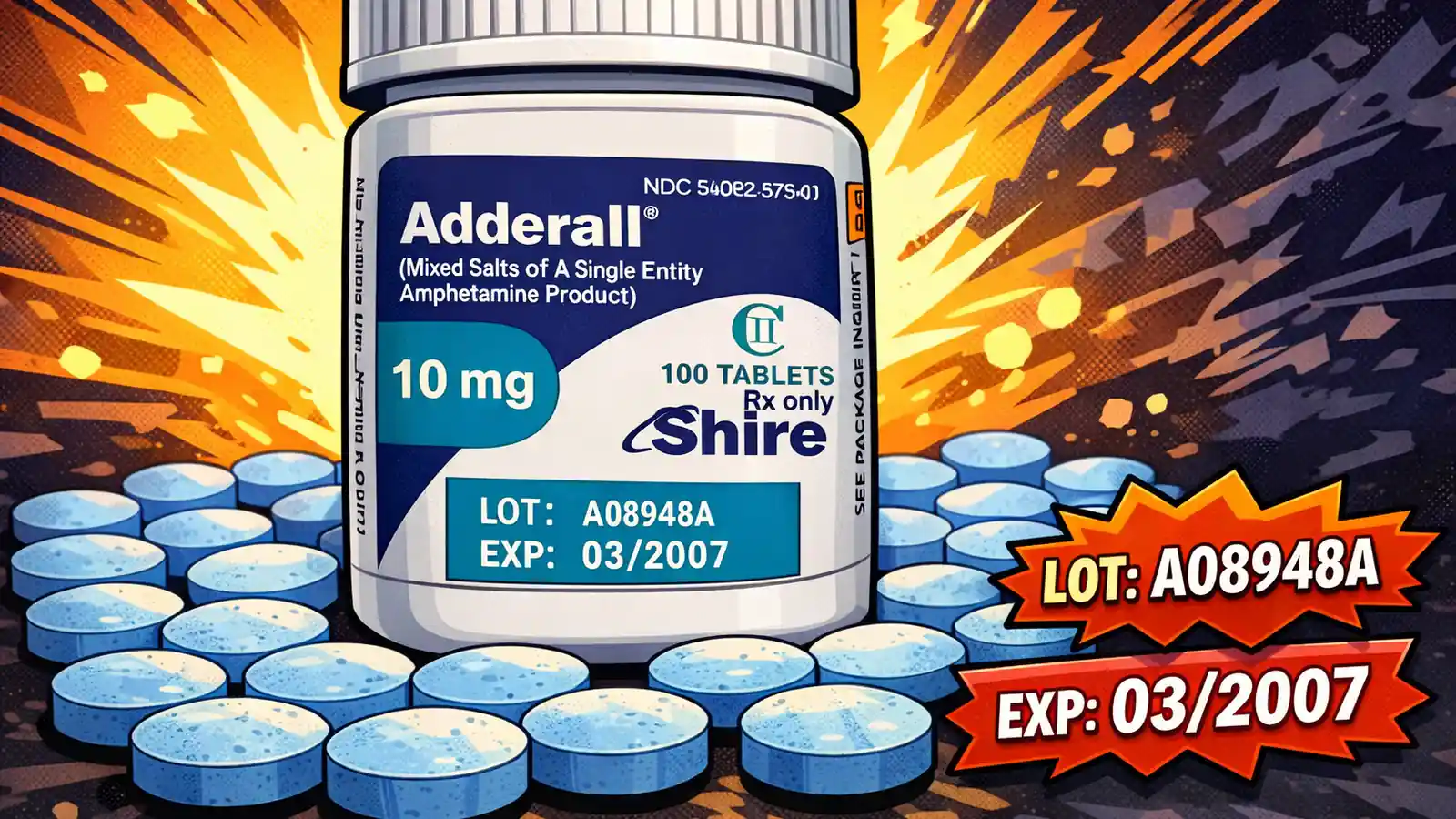
Park Bom, a member of the popular South Korean girl group 2NE1, became the center of controversy due to an incident that occurred in 2010. At that time, she was investigated for attempting to import 80 tablets of Adderall, a prescription medication that contains amphetamine. While Adderall is commonly used in the United States to treat attention deficit hyperactivity disorder (ADHD), it is a strictly controlled substance in South Korea, where amphetamine-based drugs are classified as illegal without special medical authorization.
The case did not lead to formal prosecution, but it remained on record and later resurfaced through media exposure. The incident illustrates the legal and medical differences between countries regarding prescription drugs, as well as the heightened scrutiny faced by celebrities under South Korea’s strict drug control laws.
Exposure and Media Coverage
In 2014, four years after the initial investigation, Korean media outlets revealed details of Park Bom’s 2010 case. The disclosure attracted intense public attention and widespread reporting. Her agency, YG Entertainment, released an official statement clarifying that the medication had been prescribed by a U.S. doctor for her ADHD treatment. The company also presented related medical documentation to support her claim that the pills were for legitimate health reasons rather than recreational use.
Despite the explanation, the timing and tone of media coverage varied significantly. Some outlets emphasized the legal aspect of importing a controlled drug, while others focused on the personal and medical context. The resulting discourse became one of the earliest large-scale social media debates about medical prescriptions and celebrity accountability in the Korean entertainment industry.
Online and Public Reaction
Public reaction to the reports was divided. On online forums and social platforms, some users questioned whether Park Bom had received lenient treatment because of her celebrity status. Others expressed sympathy, arguing that the medication was medically necessary and that cultural misunderstandings about foreign prescriptions contributed to the controversy.
- Supporters emphasized mental health awareness and the need for empathy toward public figures facing medical issues.
- Critics focused on fairness and the perception that entertainers were not held to the same legal standards as ordinary citizens.
As a result, the case became one of the most referenced examples in discussions about drug-related controversies and the entertainment industry’s response to them in South Korea.
Career Impact and Activity Suspension
The aftermath of the scandal had a significant effect on Park Bom’s professional life. Following the public exposure, she suspended her entertainment activities for more than a year. She also withdrew from the variety show Roommate, where she had been a regular cast member, and her public appearances were drastically reduced.
During this hiatus, her image suffered from ongoing media scrutiny and online criticism. Industry observers noted that her absence reflected how entertainment companies often respond to controversy by limiting exposure to protect both the artist and the brand. The incident highlighted the fragile nature of celebrity reputation and the difficulty of returning to public life after involvement in sensitive legal or ethical issues.
Return and Later Developments
In December 2015, Park Bom made a brief return to the stage during the 2015 Mnet Asian Music Awards (MAMA), where 2NE1 reunited for a surprise performance. The appearance was interpreted as a symbolic moment for both the group and its fans, suggesting a temporary reconciliation and a cautious step toward recovery. However, despite the positive fan response, Park Bom continued to face lingering public skepticism and media attention.
Following the event, she maintained a relatively low profile but occasionally appeared in interviews and smaller projects. The controversy remained linked to her name, demonstrating how public perception in the entertainment sphere can be slow to change even after official clarifications or long periods of inactivity.
Revisiting the Issue in 2026 and Cultural Meaning
In 2026, Park Bom revisited the topic through a social media post, claiming that she had been treated as a scapegoat in the original scandal. The post was later deleted but quickly spread across online communities, prompting renewed discussion about the incident. Many commenters viewed the post as a reflection of ongoing sensitivity in South Korean entertainment regarding mental health, medication, and accountability.
The renewed conversation also inspired broader debates about the idol system, public forgiveness, and the expectations placed on celebrities to maintain perfection. Analysts suggested that the case symbolizes the evolving cultural dialogue around mental health treatment and the boundaries between personal privacy and public responsibility. For further documentation of similar cultural discussions and meme analyses, see related entries at MemesBar.