South Korea Tax Agency Leak of Mnemonic Phrase Leads to 6.9 Billion Won Crypto Theft

In late February 2026, a South Korean government mishap involving the exposure of a cryptocurrency mnemonic phrase led to the theft of digital assets worth approximately 6.9 billion won. The incident quickly became a viral topic across social media platforms, inspiring numerous memes that mocked bureaucratic inefficiency and poor understanding of blockchain security. These memes evolved into a recognizable online symbol of government mismanagement in digital finance, reflecting both humor and criticism from diverse online communities.
Origin Background
The meme originated on February 26, 2026, following a press release from South Korea’s National Tax Service that mistakenly revealed a mnemonic phrase associated with a cryptocurrency wallet containing Pre-retogeum (PRTG) tokens. After the exposure, media outlets reported that the assets had been stolen twice, a detail that became central to the humor of the meme. Internet users rapidly turned screenshots of the news into satirical images and text posts. The dual-theft narrative provided a ready-made comedic framework emphasizing repeated institutional mistakes and digital carelessness.
- Incident date: February 26, 2026
- Amount involved: about 6.9 billion KRW
- Main comedic focus: government error and repeated theft
This early stage of meme formation demonstrated how quickly online communities can transform serious financial or administrative errors into humor-laden cultural commentary. The meme’s emergence also underscored the sensitivity of digital asset management when mishandled by public institutions.
Core Meme Meaning
At its core, the meme satirizes the perceived lack of technical understanding within official institutions dealing with blockchain security. The phrase “uploading the mnemonic phrase” became a shorthand for gross negligence in information handling, symbolizing overconfidence combined with ignorance about digital safety protocols. Another recurring element, “stolen again,” functions as a metaphor for repeating preventable mistakes. These expressions are often used in image macros or text commentary to ridicule not only this specific event but also broader patterns of bureaucratic missteps in digital transformation projects.
In meme usage, the tone is not purely comedic but also critical, highlighting the contrast between the high-stakes nature of cryptocurrency management and the apparent simplicity of the error that caused the loss. The phrase has since entered online slang as a humorous warning about careless data exposure or repeated technical mishaps.
Online Spread and Platform Ecology
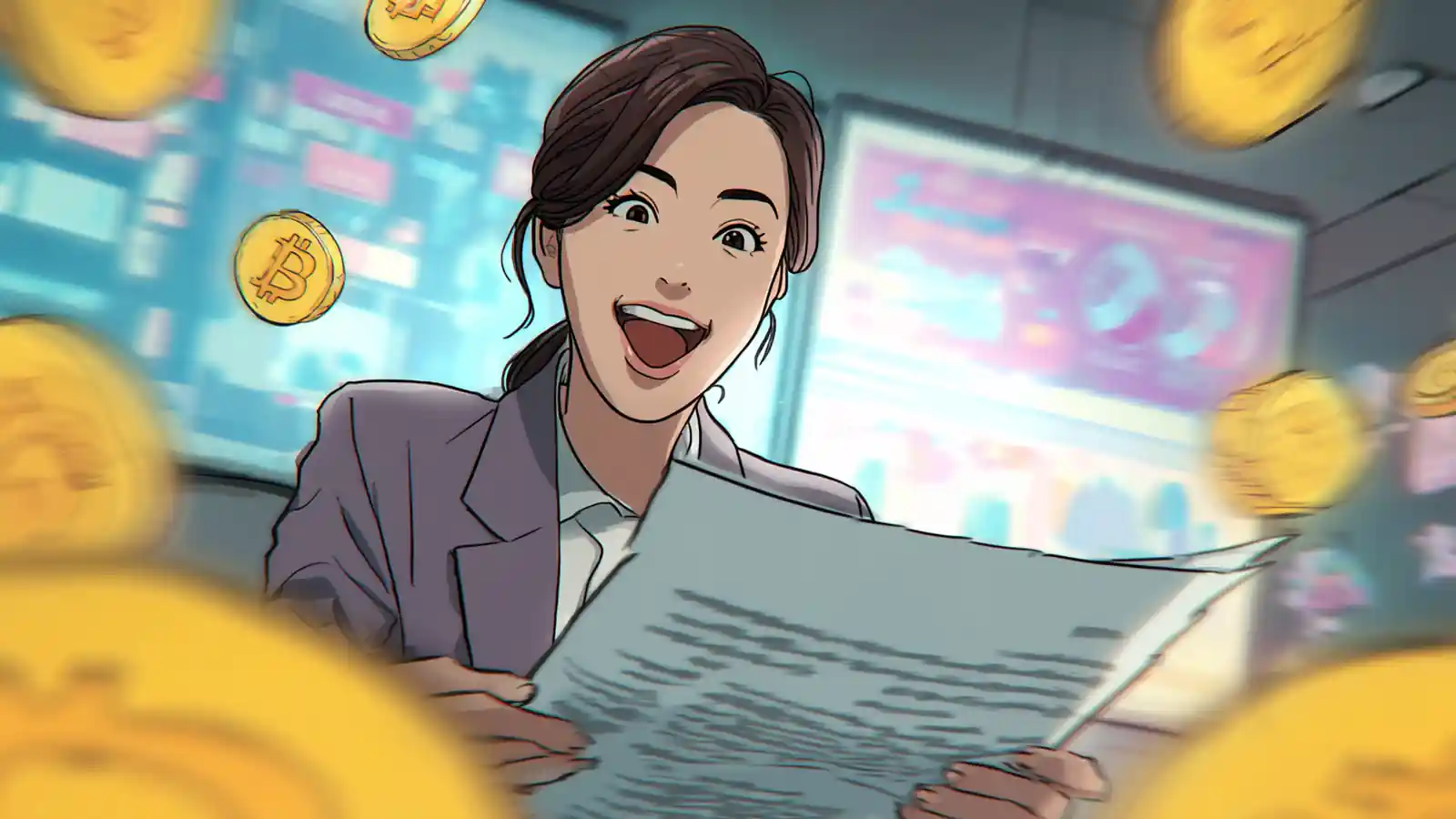
The first wave of memes appeared on Twitter (now X) and the South Korean forum DC Inside, both known for rapid meme adaptation. From there, the content spread to Reddit, PTT, and various Telegram groups focused on cryptocurrency discussions. Users employed multiple formats, including screenshot parodies of the original press release, GIF recreations of officials reacting to the theft, and AI-generated facial expressions of bureaucrats to emphasize irony. Platform-specific aesthetics influenced variations: Twitter users favored short captions with image macros, while Reddit threads often analyzed the event’s implications alongside humor.
Through this cross-platform evolution, the meme gained an international audience, with crypto enthusiasts and general internet users alike using it to illustrate the pitfalls of mixing traditional bureaucracy with decentralized finance systems. The speed of its spread reflected typical viral patterns seen in tech-related satire.
Community Tone and Audience Reaction
The general tone surrounding the meme was one of sarcastic disbelief blended with technical humor. Many participants adopted a “tech insider” voice, using jargon to underline the absurdity of the situation. Among South Korean netizens, the meme served as a form of civic critique, pointing to slow government adaptation to modern security standards. Within cryptocurrency communities, the meme became a cautionary reference, illustrating what not to do when managing wallet credentials or seed phrases.
Although humorous, the meme’s persistence also reflected frustration over recurring cybersecurity lapses in public systems. Some commentators used it to discuss the importance of institutional knowledge in handling blockchain-based assets responsibly, while others simply appreciated its comedic exaggeration of bureaucratic inefficiency.
Derivative Versions and Cross-Language Variants
Several derivative meme formats have emerged. In Chinese-speaking forums, the “Don’t upload your mnemonic phrase again” meme series gained popularity, often featuring altered screenshots of government websites. English-speaking communities reframed the concept as the “Government Wallet Challenge,” using mock challenges to parody official incompetence. In Japan and Taiwan, users merged the incident with earlier government data leak memes, creating blended formats that referenced multiple security scandals simultaneously.
These adaptations demonstrate how a localized administrative error transformed into a global commentary piece on digital governance. The linguistic flexibility of the meme allowed it to cross cultural boundaries while retaining its satirical focus on the interface between government and technology.
Cultural Significance and Ongoing Impact
The meme’s endurance highlights a widening gap between public-sector administration and emerging financial technologies. It has since become a recurring reference point in discussions about bureaucratic adaptation to fintech innovation. The event also spurred official statements promising to introduce professional custodial management systems for digital assets, though online communities continue to reproduce the meme as a running joke about institutional incompetence.
Over time, this meme evolved from a momentary joke into a case study within digital culture analysis, symbolizing how humor can simultaneously critique and document technological change. For further reading on similar meme phenomena, see MemesBar, which archives notable examples of internet meme development and context.