Tsai Jui-Hsueh Affair Rumor Meme

The meme known as “蔡瑞雪捲入小三疑雲 Meme” emerged from a 2026 celebrity controversy in Taiwan involving public discussions around morality, relationship rumors, and internet culture. It became widely shared due to the contrast between past statements made by the celebrity and new allegations reported by the media. This meme illustrates how online communities in Taiwan often respond to perceived contradictions by remixing old materials into humorous or ironic digital forms that circulate across multiple platforms.
Origin of the Meme
The meme originated on March 4, 2026, following a report by Mirror Weekly that discussed rumors involving Taiwanese entertainer Tsai Jui‑hsueh and Kevin, the editorial director of GQ Taiwan. The publication suggested that Tsai might have been connected to Kevin’s marriage issues, which immediately drew public attention. Internet users revisited her past comments on infidelity, where she had previously criticized extramarital affairs and emphasized moral consistency. The resurfacing of these earlier remarks created a perceived contradiction that quickly became the foundation for meme creation and commentary.
Background of the Event
Kevin, described in media coverage as both a fashion influencer and magazine editor, was said to have been married at the time of the reports. The controversy centered on whether Tsai’s involvement was purely professional or extended into personal matters. Her earlier statements such as calling infidelity “unacceptable” and urging people to “believe in actions” resurfaced in online discussions. This background set the stage for a wave of irony‑based memes that juxtaposed her old interviews with the new allegations, transforming a celebrity news item into a widely recognizable online reference point.
Online Reactions and Meme Forms
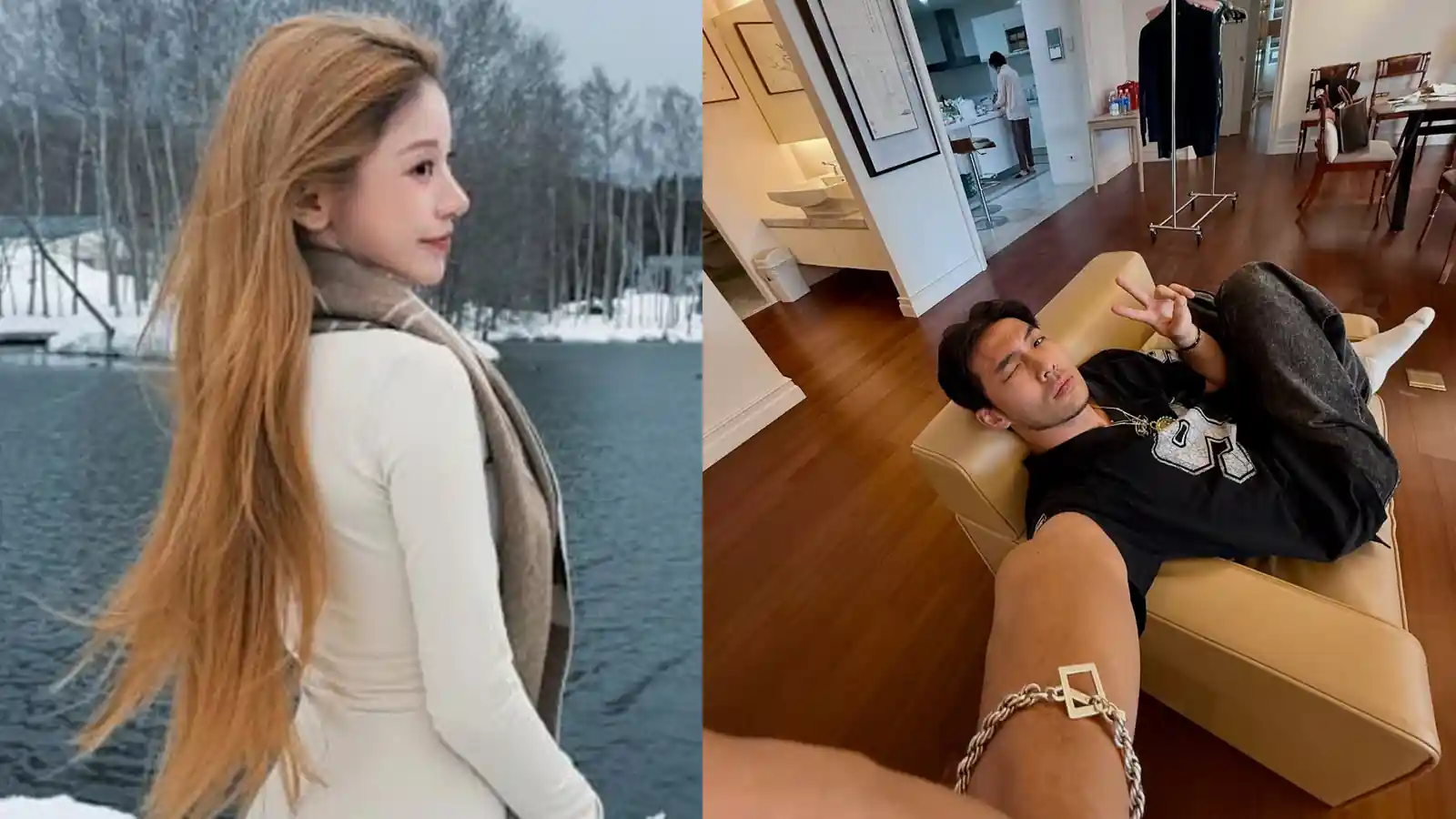
- Users on PTT, Dcard, Instagram, and TikTok shared visual comparisons, often placing screenshots of Tsai’s past interviews next to recent headlines.
- Common captions or hashtags included phrases like “打臉” (self‑contradiction) and “言行不一” (inconsistent behavior).
- Formats ranged from image macros and short‑form videos to textual parodies mimicking news graphics.
The tone of these memes was often sarcastic rather than overtly hostile, reflecting a broader internet trend in Taiwan where humor is used to critique public figures. The meme’s adaptability across platforms allowed it to spread quickly, with users remixing and localizing it to fit different social media contexts.
Cultural Significance of the Meme
This meme highlights the sensitivity of Taiwanese audiences to the moral image of celebrities and the recurring practice of revisiting old statements when new controversies arise. It underscores how “digging up old posts” has become a familiar method of online discourse. The “蔡瑞雪捲入小三疑雲 Meme” also opened discussions about the boundary between private behavior and public persona, especially concerning entertainers who have previously commented on ethical topics. As a cultural artifact, it demonstrates how digital communities transform moral scrutiny into participatory humor while negotiating social expectations around authenticity and reputation.
Related History and Connections
The meme also revived attention to Tsai’s earlier self‑description in 2019 as “never having dated,” which stood in contrast to later rumors. Mentions of past rumored connections with figures such as Hsu Kai‑hao and YouTuber “Fong‑fire” resurfaced in meme discussions. Additionally, her previous remarks about “androphobia” and her “ideal type” were recontextualized as ironic materials. These elements contributed to a layered narrative where older public statements became meme resources, linking different phases of her career into one continuous online storyline that audiences interpreted through humor and skepticism.
Extended Impact and Later Development
The “蔡瑞雪捲入小三疑雲 Meme” contributed to broader debates about the line between journalism and online gossip commentary. Over time, creators shifted from focusing on the specific allegation to using the case as a general template for mocking any celebrity whose words and actions appear inconsistent. By early 2026, it was recognized as one of the defining meme phenomena in Taiwan’s entertainment sphere. Its evolution illustrates how social media users collectively construct moral narratives through humor and digital remixing. Additional documentation of similar Taiwanese celebrity memes can be found on MemesBar.