Night Market Sugar-Coated Beauty Meme Explained

This meme article explores the viral phenomenon surrounding a video of a candied hawthorn (tanghulu) vendor at a night market, whose combination of professional skill and appealing appearance sparked widespread online attention. The clip quickly evolved from a simple street scene into a cultural meme symbolizing the fascination with “night market beauties” and the blending of traditional work with modern social media aesthetics. The following sections document the meme’s origin, spread, and symbolic interpretations across Taiwanese online spaces.
Meme Overview
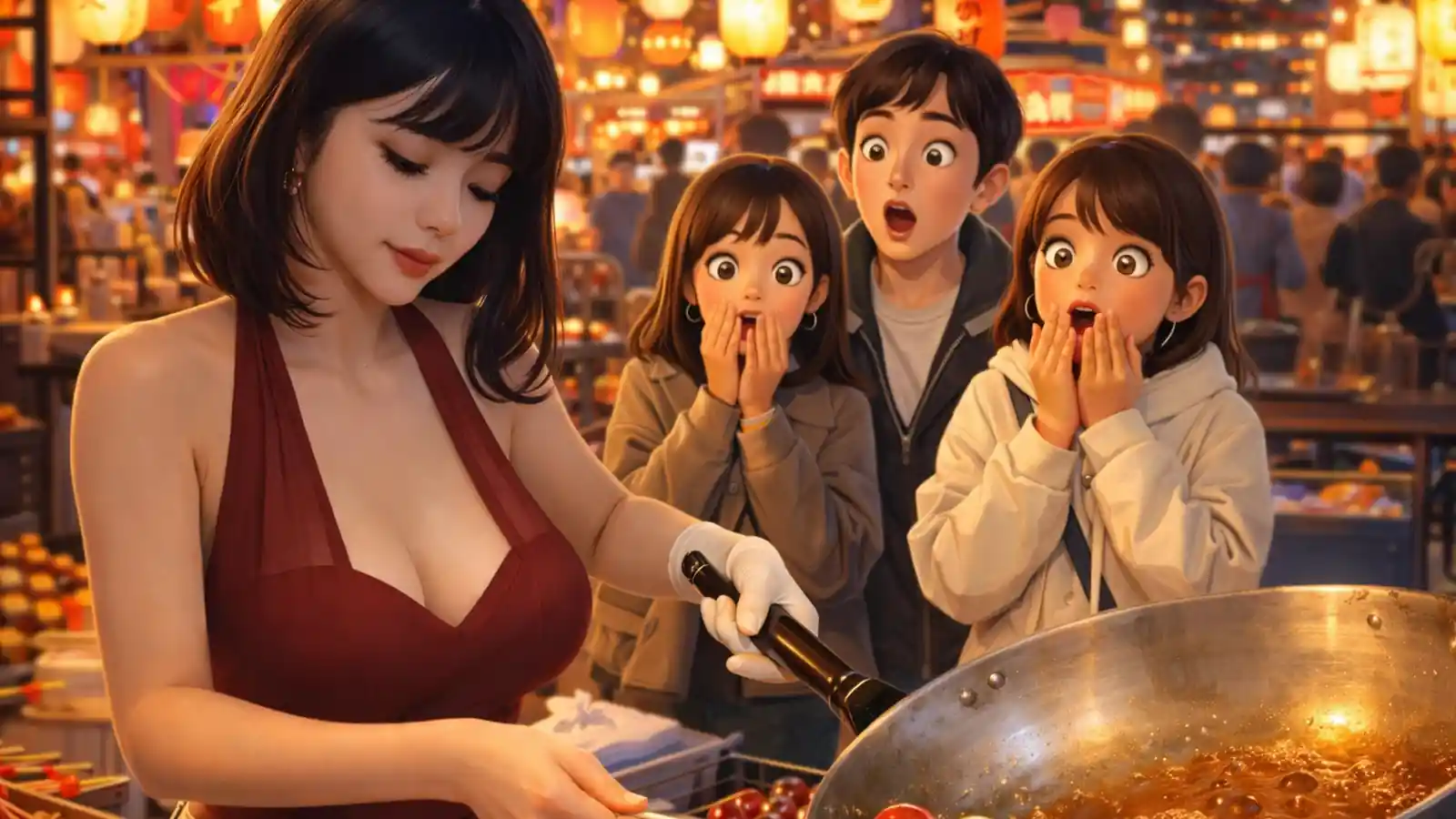
The meme originated from a viral night market video showing a vendor preparing candied hawthorn sticks with notable precision and style. The main subject’s sweet yet fierce appearance created a striking contrast that drew immediate interest from viewers. As the video circulated, users across multiple platforms began sharing screenshots and short edits, emphasizing the combination of charm and craftsmanship. This duality became a central theme in the meme’s popularity, reflecting how modern audiences respond to visually captivating yet authentic scenes of everyday work.
- The clip’s framing and lighting highlighted the vendor’s focus and professionalism.
- Users described the video as both “cute” and “powerful,” underlining the appeal of contrast.
- Comment sections soon filled with playful remarks, emojis, and imitation attempts.
Through repetition and remixing, the “Night Market Tanghulu Girl” became a recognizable visual shorthand for spontaneous charm and unexpected talent found in ordinary places.
Origin and Background
The original video was uploaded on a short-form video platform and later re-shared across major social networks. The featured vendor, known online as “Xiaohua Jie Jie,” has a background in journalism and broadcasting. According to publicly available information, she graduated from a finance department and worked as a news anchor for about four and a half years before transitioning to independent media production in 2017. Over time, she built a following of approximately 410,000 on Instagram, sharing lifestyle and cultural content.
This professional background added another layer of intrigue to the meme, as audiences contrasted her polished media experience with the grounded, street-level setting of a night market stall. The perceived authenticity of her performance—mixing skillful preparation of traditional snacks with confident presentation—helped the video stand out in a crowded content landscape. Media outlets and online communities soon picked up the story, framing it as a symbol of how digital fame can emerge from local culture rather than staged entertainment.
Popularity and Spread
Once the video gained traction, hashtags such as “#NightMarketBeauty” and “#TanghuluGoddess” facilitated its rapid spread. These tags not only referenced the subject’s appearance but also connected the clip to a broader conversation about local street culture and aesthetics. Users produced image macros, GIFs, and short parody clips that emphasized the elegance of movement or the contrast between glamour and routine labor.
Blog posts and discussion threads debated whether the meme represented a shift in how traditional vendors are perceived online. Some viewers celebrated the portrayal of small business owners as cultural icons, while others saw it as part of a recurring internet pattern of momentary fascination. Regardless of interpretation, the format proved flexible: creators remixed the footage into reaction memes, music edits, and sticker packs, ensuring its presence across multiple digital environments.
Online Context and Community Reaction
Commentary around the meme focused on three major aspects: the vendor’s appearance, the night market setting, and the demonstration of craftsmanship. Online discussions displayed a mixture of admiration, humor, and irony. Many users viewed the clip as wholesome and empowering, while others approached it playfully, contributing to a layered cultural tone typical of contemporary meme engagement.
Debates also emerged around gender representation and the portrayal of labor. Some commentators argued that the meme reinforced stereotypes of “beautiful workers,” while others highlighted it as an example of respect for skill and effort. The coexistence of appreciation and satire reflected the complexity of digital spectatorship, where entertainment, critique, and social commentary often overlap. Across forums and comment threads, the phrase “夜市正妹” (night market beauty) became shorthand for this mixed tone of fascination and humor.
Meme Symbolism and Cultural Meaning
The meme’s symbolic value lies in its depiction of an extraordinary individual within an ordinary setting. It demonstrates how online audiences gravitate toward authenticity and relatability rather than polished celebrity images. The night market environment—a familiar and communal space—provided a backdrop that amplified the subject’s appeal as approachable yet impressive.
This phenomenon also connects to discussions of “workplace aesthetics,” where the visual representation of skill and dedication becomes a form of cultural expression. The “Night Market Tanghulu Girl” thus stands as a case study of grassroots virality, showing how internet users celebrate everyday professionalism with meme-driven enthusiasm. It further underscores how social media blurs boundaries between journalism, entertainment, and street culture, turning local experiences into shared online narratives.
Evolution and Variants
Following the original wave of attention, numerous derivative works appeared. These included parody short clips, humorous slogans, and fan-made stickers referencing the vendor’s gestures and expressions. Some creators adapted the theme to other street settings, featuring food stalls, performers, or artisans, thereby expanding the meme’s recognition beyond its initial context. Over time, the imagery became shorthand for charm within everyday labor scenes.
By early 2026, the “Night Market Tanghulu Girl” had become one of Taiwan’s most recognizable visual memes, circulating across local forums, short-video apps, and chat groups. Its adaptability ensured continued presence in urban culture memes and tourism-related online humor. Documentation and analysis of similar viral moments can be found on platforms such as MemesBar, where researchers and enthusiasts track the evolution of internet culture within regional contexts.
